George Michael: Life, Music, and Public Legacy
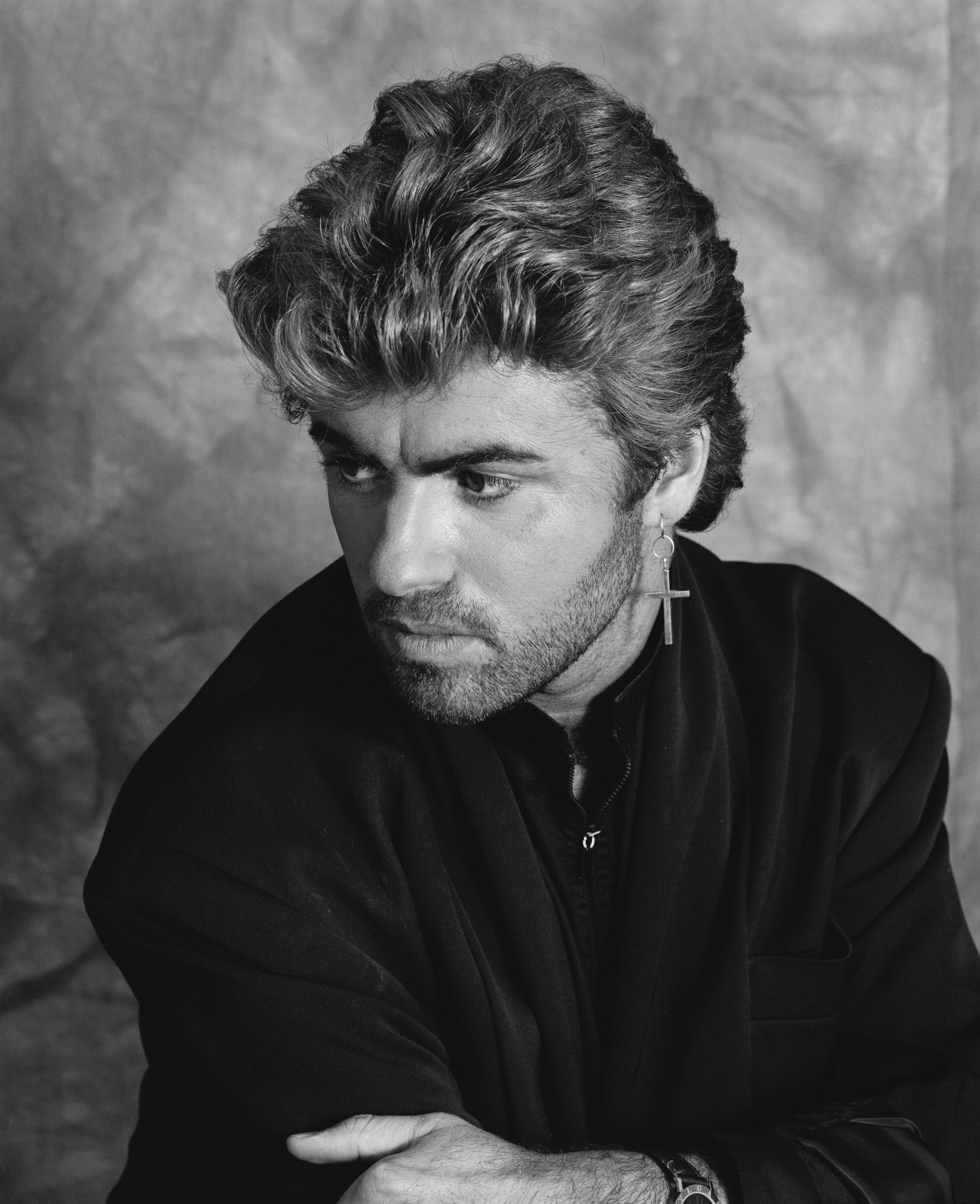
George Michael was an English singer, songwriter, and record producer whose career spanned more than three decades. He achieved global success first as part of the pop duo Wham! and later as a solo artist with a strong reputation for writing his own material and maintaining creative control. Across his career, he released multiple chart-topping albums, won major music awards, and became one of the best-selling recording artists in history.
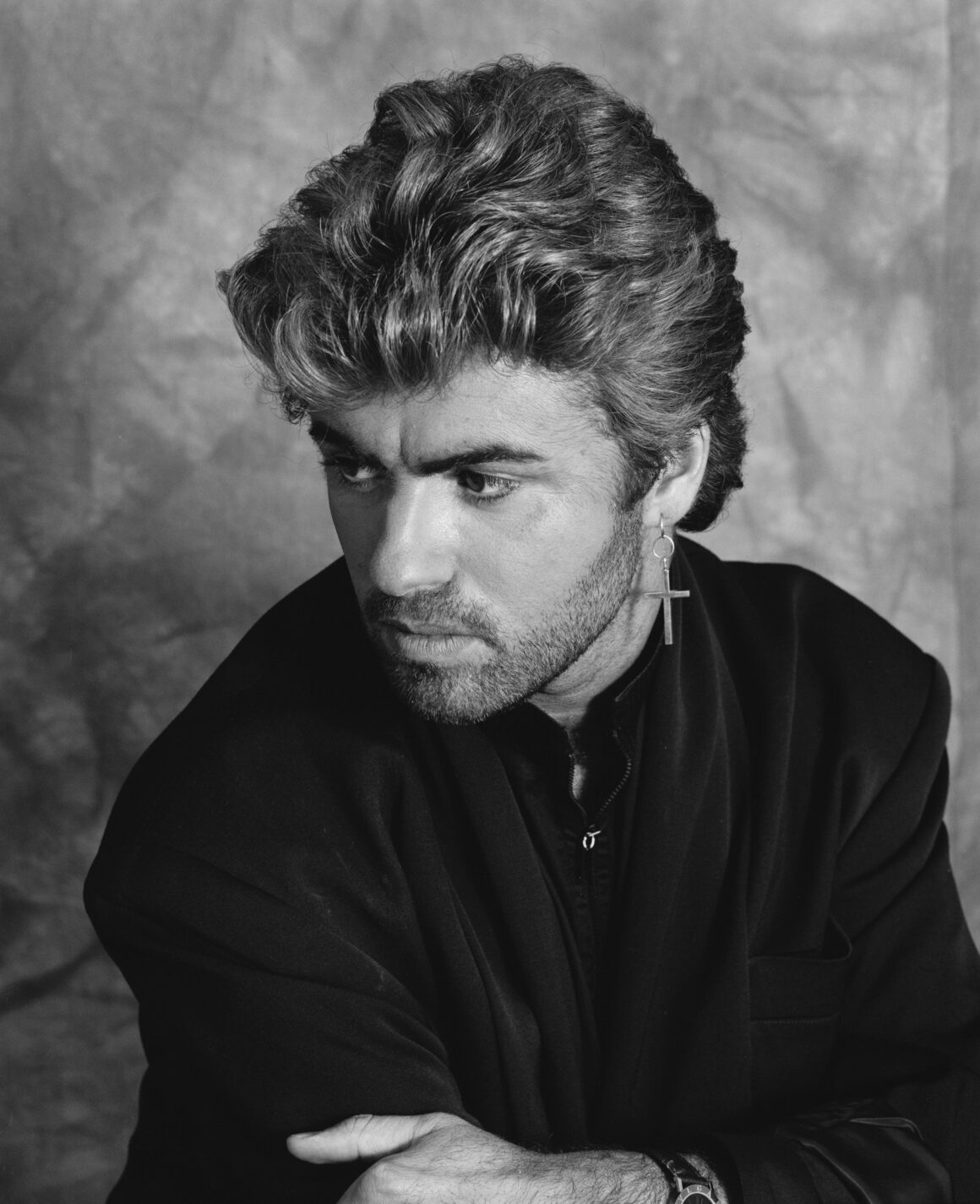
Read about his life; his family background and early interest in music, his rise with Wham! and his solo career, and later addresses public scrutiny, health struggles, and his lasting legacy.
Early Life and Family Background
George Michael’s early years provide important context for his later choices. His family structure, education, and upbringing influenced how he responded to authority, fame, and personal pressure throughout his life.
Childhood and Family Environment
George Michael was born Georgios Kyriacos Panayiotou on 25 June 1963 in East Finchley, Middlesex. He was the youngest of three children and the only son. His father, Kyriacos “Jack” Panayiotou, was a Greek Cypriot who moved to England in the 1950s and later worked as a restaurateur. His mother, Lesley Angold, was English and trained as a dancer before focusing on raising her children.
Home life involved strong expectations around discipline and work. Michael later spoke openly about tension with his father, particularly over career choices and independence. These early conflicts mattered because they later mirrored his disputes with record companies and managers. From a young age, he learned to push back when he felt controlled, a pattern that would repeat throughout his career.
Education and School Years
Michael grew up in Kingsbury, northwest London, and attended Roe Green Junior School followed by Kingsbury High School. After the family moved to Radlett, Hertfordshire, he enrolled at Bushey Meads School. Academically capable but often distracted, he showed more interest in music than in formal studies.
At Bushey Meads, he met Andrew Ridgeley, who shared his interest in pop music and performance. Their friendship developed around shared musical tastes and conversations about becoming professional musicians. This connection proved decisive, as it introduced Michael to collaboration and long-term planning rather than casual interest in music.
Early Musical Awareness
From childhood, Michael paid close attention to music rather than listening passively. He studied how songs were written, how vocals carried emotion, and how melodies were constructed. Artists such as Queen and Elton John left a strong impression on him, particularly in how storytelling worked within pop songs.
This growing awareness pushed him to seek practical experience. Instead of waiting for opportunities to appear, he looked for ways to perform publicly, which soon moved him from listening to participation. That step marked the beginning of his active pursuit of a music career.
Early Musical Activity Before Wham!
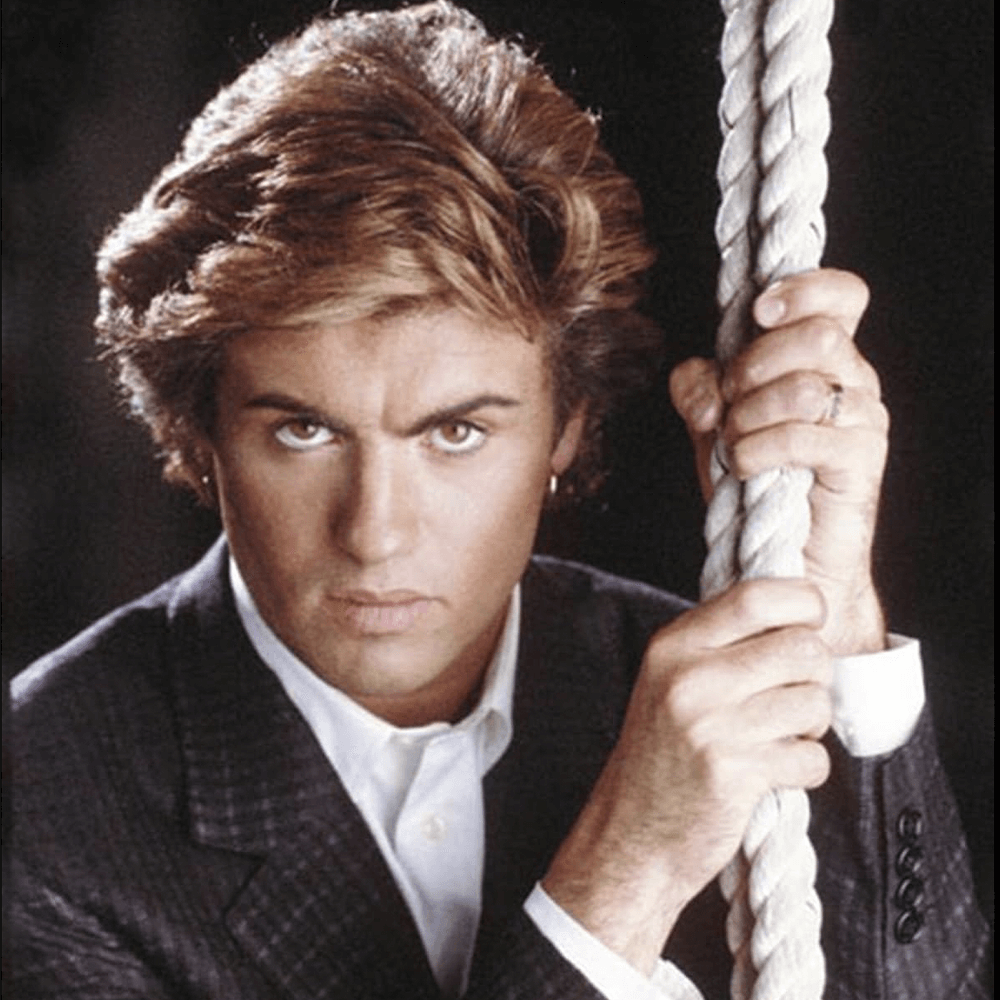
Before any commercial success, George Michael spent several years gaining experience through informal performance and short-term projects. These years clarified his strengths and helped him understand audiences.
Busking and Public Performance
As a teenager, Michael busked on the London Underground, performing songs by well-known artists. This environment forced him to earn attention from people who had no obligation to stop and listen. As a result, he learned how to project confidence, control his voice, and adapt quickly to audience reactions.
At the same time, he worked as a DJ at local clubs, schools, and community events. DJ work introduced him to pacing and song selection, teaching him how energy levels affect listeners. These lessons later influenced his approach to albums and live shows, where he showed strong awareness of audience engagement.
The Executive and First Band Experience
Michael’s first formal band experience came through a short-lived ska group called The Executive, formed with Andrew Ridgeley and several friends. The group reflected popular sounds of the early 1980s and performed at small venues.
Although the band did not gain wide recognition, it played an important part in Michael’s development. He learned how group dynamics worked and discovered that his main strength lay in pop songwriting rather than experimental band formats. This realization guided his next steps once the group disbanded.
Moving Toward a Clear Direction
After The Executive ended, Michael and Ridgeley reassessed their goals. Instead of continuing with loosely defined projects, they decided to form a focused pop act with a clear identity and sound.
This decision led directly to the creation of Wham!. Their shared understanding of image, songwriting, and audience appeal allowed them to move quickly and confidently. This clarity set the foundation for the rapid success that followed.
Wham! and Rapid Rise to Fame
Wham! marked George Michael’s entry into mainstream music and international recognition. The duo’s success arrived quickly and brought intense public attention.
Formation and Early Identity
Wham! formed in 1981, with Michael handling songwriting and lead vocals while Ridgeley focused on performance and promotion. To avoid confusion and improve recognition, Michael legally changed his name to George Michael.
The duo aimed for accessible pop music with clear themes and strong hooks. This approach helped them stand out in a competitive market. Their early performances attracted record label interest, leading to their first major releases.
Fantastic and UK Success
Wham!’s debut album Fantastic reached number one on the UK Albums Chart in 1983. Singles such as “Wham Rap!,” “Young Guns,” and “Club Tropicana” received heavy radio play and television exposure.
The group’s image appealed strongly to younger listeners, but Michael’s songwriting already showed careful planning and emotional awareness. This balance allowed Wham! to grow beyond novelty status and prepare for wider exposure outside the UK.
Make It Big and Global Recognition
Released in 1984, Make It Big transformed Wham! into an international act. The album reached number one in the United States and produced several chart-topping singles, including “Wake Me Up Before You Go-Go,” “Freedom,” and “Everything She Wants.”
“Careless Whisper,” released during this period, marked a clear change in perception. Its reflective tone and emotional focus contrasted with Wham!’s upbeat image. This contrast signaled Michael’s readiness for solo work and pointed directly toward the next phase of his career.
Charity Work and International Exposure in the 1980s
As Wham!’s fame expanded, George Michael became involved in high-profile charity efforts. These appearances increased his visibility beyond pop music.
Band Aid Participation
In 1984, Michael joined Band Aid to record “Do They Know It’s Christmas?”, which became the UK Christmas number one. He also donated royalties from “Last Christmas” to charity.
This involvement placed him among artists responding to global humanitarian issues. While widely praised, it also raised public expectations that followed him throughout his career.
Live Aid Performance
In 1985, Michael performed at Live Aid at Wembley Stadium, singing alongside Elton John. The concert reached a worldwide audience and reinforced his status as a leading British pop artist.
The scale of the event highlighted how closely his public image was tied to large cultural moments. This exposure later influenced his desire to limit promotion and public appearances.
Wham! Tour of China
In 1985, Wham! became the first Western pop act to tour China. The tour attracted global media attention and was documented in Wham! in China: Foreign Skies.
While the tour expanded Michael’s international reach, it also reinforced the pressures of constant attention. This experience fed into his growing discomfort with fame, which soon affected major career decisions.
The End of Wham! and Transition to Solo Work
By the mid-1980s, it was clear that Wham! could not continue in its existing form. George Michael’s growing confidence as a songwriter and vocalist placed increasing pressure on the duo, gradually pulling him toward independence. Although the group still presented a unified public image, Michael was already thinking beyond the limits of the Wham! format.
As Wham! became more successful, Michael assumed greater control over songwriting and creative decisions. He wanted more freedom to explore personal themes and varied musical directions, which became difficult within the duo’s upbeat pop identity. Public expectations intensified this tension. Wham! was closely associated with youthful optimism, while Michael was writing material that reflected uncertainty and introspection. These differences did not lead to personal conflict, but they made long-term continuation impractical.
In 1986, Wham! released the farewell single “The Edge of Heaven,” which reached number one on the UK Singles Chart. This was followed by a compilation album and a final concert at Wembley Stadium that sold out and received extensive media coverage. The separation was publicly amicable and carefully managed, allowing both members to move forward without controversy. For Michael, ending Wham! provided closure and cleared the way for full artistic independence.
After the split, Michael paused briefly to prepare his solo debut. He focused on writing, production, and presentation, choosing not to rush into releasing material. This preparation positioned his solo work as a continuation rather than a rejection of his earlier success, setting expectations for a major independent career.
Solo Career Breakthrough and Faith
George Michael’s solo debut confirmed his ability to succeed on his own. Released in 1987, Faith achieved immediate commercial success and established him as one of the most successful pop artists of his generation. The album balanced upbeat tracks with reflective ballads and received extensive radio play, video rotation, and international promotion.
Key releases from Faith included:
- “Faith,” which topped the US Billboard Hot 100
- “Father Figure,” emphasizing atmosphere and pacing
- “One More Try,” focused on vulnerability
- “Monkey,” drawing on dance influences
The album won the Grammy Award for Album of the Year and sold more than 25 million copies worldwide. Its success placed Michael among the most commercially successful solo artists of the late twentieth century.
The Faith tour sold out large venues across multiple continents and received strong reviews, particularly for vocal consistency and stage presence. However, the demanding schedule left little room for rest or privacy. Media attention intensified through interviews, award appearances, and promotional events. By the end of the tour cycle, Michael began questioning whether this level of exposure was sustainable.
Despite financial success and industry recognition, Michael later described this period as emotionally difficult. He felt disconnected from friends and family and uncomfortable with the expectations attached to pop stardom. These concerns influenced his next project, leading him to rethink how his music would be presented.
Artistic Control and Listen Without Prejudice
Released in 1990, Listen Without Prejudice Vol. 1 marked a clear change in priorities. Michael wanted his work evaluated on songwriting rather than image, so he avoided appearing in promotional materials and declined many interviews. The album reached number one in the UK and number two in the United States, proving audiences would follow him without constant visibility.
The album’s themes addressed social concerns, emotional restraint, and personal reflection. Key singles included:
- “Praying for Time,” addressing inequality and moral uncertainty
- “Freedom! ’90,” reflecting on fame
- “Heal the Pain,” focused on intimacy
By removing himself from videos and public appearances, Michael directed attention toward the music itself. While this strengthened his reputation as a songwriter, it created tension with Sony Music, which expected active promotion. The dispute escalated into legal action as Michael sought release from his contract. Although he lost the case, the conflict affected future releases and led to a period of reduced output.
Personal Life, Later Career, and Legacy
Public attention increasingly turned to Michael’s private life during the 1990s. In 1998, following an arrest in the United States, he publicly acknowledged being gay. He treated the announcement as honesty rather than revelation and later spoke openly about the emotional toll of secrecy. This disclosure reshaped how audiences viewed earlier work.
Michael experienced significant personal loss, including the death of his partner Anselmo Feleppa in 1993 from AIDS-related complications. This loss influenced later material, particularly Older (1996). Subsequent relationships offered companionship but did not remove feelings of isolation. Legal issues and substance-related incidents received intense media coverage, often overshadowing his musical output.
During the 2000s, Michael returned to recording and touring with greater caution. Major releases included:
- Older (1996)
- Ladies & Gentlemen (1998)
- Patience (2004)
The 25 Live tour (2006–2008) became one of the highest-grossing of his career. Later, the Symphonica tour featured orchestral arrangements and seated performances. His final concert took place in London in 2012. Health issues, including pneumonia and a coma in 2011, led to reduced public activity.
George Michael died on 25 December 2016 at age 53. After his death, it became known that he had donated large sums anonymously to charities and individuals. His music continues to reach new audiences, and his induction into the Rock and Roll Hall of Fame confirmed his lasting place in music history.
Conclusion
George Michael’s career followed a clear path from early ambition to worldwide recognition, followed by a gradual move toward privacy and personal control. He achieved success as part of Wham! and then proved his independence through a long solo career built on self-written material and careful creative choices. Across each phase, his music reflected changing priorities, personal loss, and a growing desire to separate public attention from private life. These choices sometimes created conflict, but they also allowed his work to remain consistent with his own values.
In later years, public focus often returned to his music rather than his personal struggles, especially after details of his private generosity became known. His recordings continue to reach new listeners, and his songs remain part of radio playlists and cultural memory. Taken together, his body of work shows an artist who valued honesty in writing and control over presentation, even when that came at a personal cost. That balance explains why his music continues to be revisited long after his death.











Post Comment