The Rise of Microfluidics and Diagnostics Startups: What 2026 Investors Want

The latest microfluidics startup news reflects a sector that has moved well past early-stage experimentation and into active commercialization, where investors are placing capital based on clear expectations tied to performance, scalability, and real-world adoption. The numbers reinforce this direction, with the market projected to grow from $10.33 billion in 2025 to $11.89 billion in 2026 at a 15% CAGR, and further reaching $20.73 billion by 2030. This is not speculative growth. It is driven by increasing demand for faster diagnostics, decentralized testing, and systems that reduce reliance on large laboratory infrastructure.
At the same time, healthcare delivery is changing in ways that favor microfluidics. Testing is moving closer to patients, data is becoming more immediate, and treatment decisions are increasingly tied to rapid diagnostics rather than delayed lab reports. Investors in 2026 are not looking for theoretical potential. They are looking for startups that can operate within this new model, where speed, accuracy, and integration define success.
Microfluidics Startup News: Why the Technology Is Gaining Traction
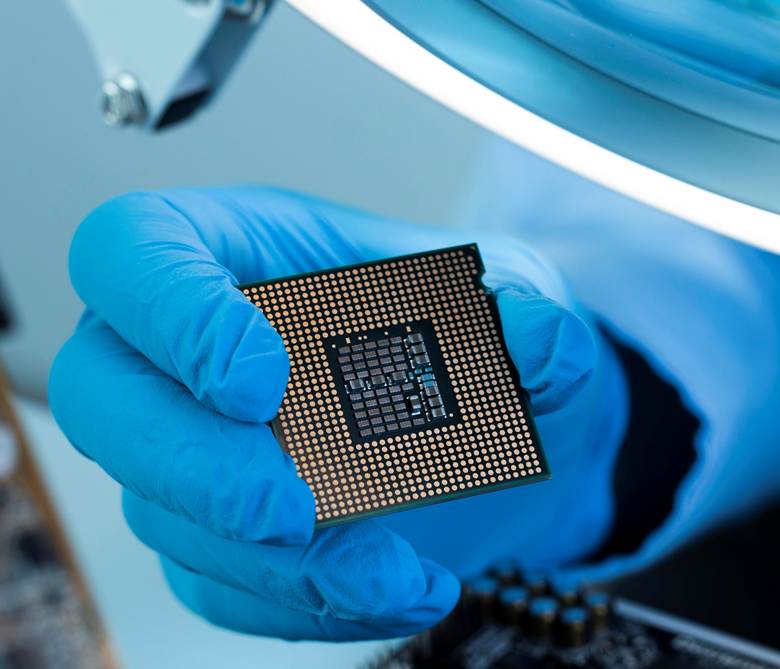
Microfluidics is gaining traction because it addresses inefficiencies that have existed in diagnostics for decades. Traditional lab systems require time, infrastructure, and significant sample volumes, which limits their ability to deliver fast results in critical situations. Microfluidics changes this by enabling fluid manipulation at the microscopic level, enabling complex testing processes on compact devices.
The rise of Lab-on-a-chip systems represents a major turning point in this transition. These devices integrate multiple laboratory functions into a single platform, reducing processing time while maintaining high levels of accuracy. This makes them particularly valuable in environments where immediate diagnostic results are required, such as emergency care or remote healthcare settings.
From an investment perspective, this shift introduces efficiency across multiple levels of the healthcare system. Clinics can operate with fewer delays, pharmaceutical companies can conduct research with greater precision, and patients gain access to testing in locations that previously lacked adequate infrastructure. This combination of efficiency and accessibility explains why microfluidics continues to dominate microfluidics startup news in 2026.
Diagnostics Startup: Where Capital Is Flowing
Recent diagnostics startup funding news today shows that capital is increasingly directed toward startups that have moved beyond concept development and into validation or early commercialization. Investors are prioritizing companies that can demonstrate real-world use rather than theoretical capability, which has changed how funding rounds are structured.
A clear example of this trend is the acquisition of SpinChip Diagnostics ASA by bioMérieux. The focus of this deal was microfluidic immunoassay technology that delivers rapid and high-sensitivity diagnostic results using small blood samples. This type of acquisition highlights the value placed on technologies that improve both speed and accuracy while fitting into existing healthcare workflows.
Investors are interpreting these developments in a focused way. Funding is moving toward startups that can show faster diagnostic turnaround times, reduced sample requirements, and strong integration with healthcare systems. Startups that remain in early research stages without clear clinical pathways are finding it harder to attract attention, as the market now favors execution over experimentation.
Market Forces Driving Microfluidics Adoption
Several market forces are pushing microfluidics into mainstream adoption, and these forces extend beyond diagnostics into broader healthcare and life science applications. One of the strongest drivers is the increase in clinical studies related to cell-based therapies, where microfluidics enables precise control of cells and biomolecules required for advanced treatment development.
Reports indicate a 58% increase in non-oncology gene and cell therapy trials during 2023, which creates demand for technologies that can support these processes with high precision. Microfluidics supports this demand by enabling controlled environments for experimentation and production, which improves both efficiency and reliability.
Another major factor is the growth of personalized medicine, where treatments are based on individual biological data rather than standardized protocols. Microfluidics allows for detailed analysis using minimal sample volumes, which makes it well suited for applications that require high-resolution data. At the same time, the expansion of point-of-care diagnostics is pushing healthcare providers to adopt systems that deliver immediate results, and microfluidic devices are central to this shift because they allow testing to occur outside traditional laboratory settings.
What Investors Want in 2026: Key Evaluation Criteria
Investor expectations in 2026 are more defined than before, with specific factors used to decide if a startup is worth funding. The focus has moved away from technical novelty and toward execution, meaning startups must show how their technology performs in real healthcare settings. This reflects how the microfluidics sector has matured, where both buyers and investors expect products that can be used immediately, not ideas that still need shaping.
Startups are now judged on how well they connect their product to a real problem, how easily it fits into existing systems, and how quickly it can move from development to deployment. A strong concept on its own no longer carries weight without proof that it can work outside controlled conditions.
Defined Clinical Use Case
A clear clinical use case is one of the first things investors look for because it affects how quickly a product can enter the market and start generating revenue. Startups that focus on specific areas such as infectious disease testing or chronic condition monitoring are easier to evaluate because their purpose, audience, and demand are already understood.
Broad platforms without a defined application often create confusion. It becomes unclear who the product is for, how it will be used, and what problem it actually solves. This slows down development and makes regulatory approval harder to plan.
Integration With Healthcare Systems
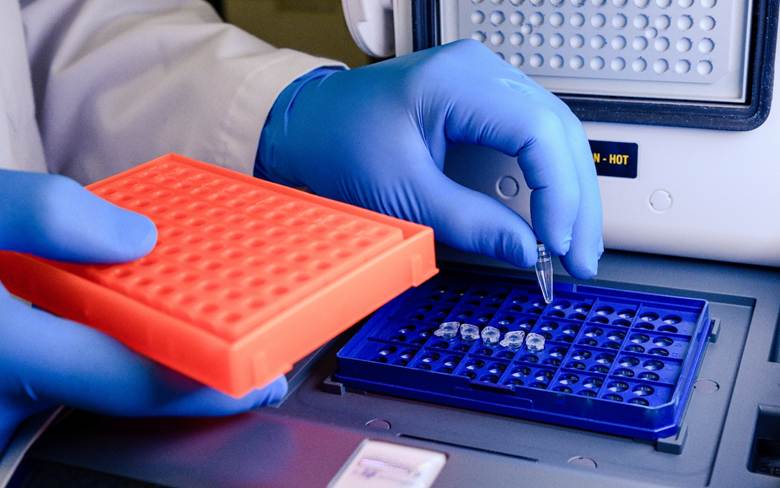
Microfluidic devices must work within existing healthcare systems to be useful. This includes compatibility with electronic health records, remote monitoring platforms, and aged care software systems.
Investors prefer startups that build with integration in mind from the beginning. A device that fits into current workflows can be adopted faster, while one that requires major changes will face resistance. Ease of use also matters, since healthcare providers favor systems that do not require additional training or support.
Scalability and Manufacturing Readiness
Scalability is a major concern because many early microfluidic devices are not designed for mass production. Investors want to see that startups have already considered how their products will be manufactured at scale.
This usually means using materials like polymers and simplifying production methods. Startups that solve manufacturing challenges early reduce the risk of delays and high costs later, which makes them more attractive for funding.
Regulatory Preparedness
Regulatory approval is required before any healthcare product can reach the market, so investors expect startups to understand this process from the start. Companies that show early progress in testing and compliance are seen as more reliable.
Ignoring regulatory requirements creates delays and increases costs. It also signals that the startup may not be ready to move forward beyond development.
Evidence of Market Demand
Investors look for proof that the product will be used. This can include pilot programs, early partnerships, or feedback from healthcare providers.
Startups that show real user interest reduce uncertainty. It becomes easier to predict adoption and revenue potential when there is already evidence of demand.
Strategic Partnerships
Partnerships help startups expand faster and reach the right markets. Working with healthcare providers, research institutions, or a nutraceutical partner can support distribution and add credibility.
These relationships also show that the startup understands how to operate within a larger system, which lowers risk from an investor’s point of view.
Step-by-Step: How Startups Align With Investor Expectations
Startups that successfully attract funding tend to follow a structured process that aligns technical development with business strategy. This process reduces risk and demonstrates readiness for commercialization.
The process typically includes several stages, and each stage addresses a specific investor concern:
- Step 1: Identify a clearly defined clinical problem, such as rapid infectious disease detection or chronic condition monitoring, which establishes focus and market relevance
- Step 2: Develop a functional prototype that demonstrates core microfluidic capabilities, including fluid control and reaction accuracy
- Step 3: Validate the technology through clinical testing, providing evidence that the system performs effectively in real-world conditions
- Step 4: Plan for scalable manufacturing using cost-effective materials and production methods that support large-scale deployment
- Step 5: Integrate the device with digital systems for data collection and analysis, which increases usability and value
- Step 6: Prepare regulatory submissions to ensure compliance with healthcare standards and reduce delays in market entry
- Step 7: Establish partnerships with healthcare providers or a nutraceutical partner to expand distribution and strengthen market presence
This structured approach allows startups to move from concept to commercialization while addressing the key concerns that investors evaluate during funding decisions.
Cross-Industry Expansion: Beyond Traditional Healthcare
Microfluidics startups are increasingly expanding beyond traditional healthcare sectors, forming partnerships that open new revenue streams and applications. These partnerships demonstrate that microfluidics can operate across multiple markets rather than being limited to clinical diagnostics.
A nutraceutical partner can support preventive healthcare by combining diagnostic testing with nutritional products. For example, microfluidic devices can measure biomarkers related to nutrient levels and provide personalized recommendations, which connects diagnostics with consumer health products. This approach creates new opportunities for subscription-based services and direct-to-consumer models.
At the same time, nutraceutical merchant account processing becomes relevant as startups move into online sales of diagnostic kits and related products. Payment systems that support health-related transactions are necessary for scaling these models, which shows how operational infrastructure plays a part in the growth of microfluidics startups.
Healthcare Startup Voice Tech and Emerging Niches
The intersection of diagnostics and voice analysis is gaining attention as a niche area within healthcare technology. The keyword healthcare startup voice tech reflects a growing interest in how vocal patterns can be used as indicators of underlying health conditions.
Startups in this space are exploring how voice data can complement traditional diagnostic methods. Changes in vocal characteristics may signal neurological or respiratory conditions, and combining this data with microfluidic testing creates a more comprehensive approach to health assessment. This integration allows for multiple data points to be analyzed simultaneously, which improves the accuracy of diagnosis.
Although this area is still developing, it represents a potential growth segment that attracts investors interested in differentiated technologies. The ability to combine biochemical testing with digital analysis creates a layered diagnostic model that aligns with broader trends in personalized healthcare.
Table: How Investors Compare Microfluidics Startups
| Evaluation Area | What Investors Look For | Weak Signals |
| Clinical Use Case | Clear, focused application with defined market | Broad or unclear positioning |
| Technology Readiness | Functional prototype with validation data | Early-stage concept without testing |
| Scalability | Manufacturing plan using cost-effective materials | Complex or expensive production methods |
| Integration | Compatibility with healthcare systems and data platforms | Standalone systems without connectivity |
| Regulatory Path | Defined approval strategy with progress | No regulatory planning |
| Market Fit | Evidence of demand and adoption potential | Limited understanding of target market |
| Partnerships | Collaboration with healthcare providers or related sectors | No external partnerships |
This framework allows investors to quickly assess risk and identify startups that are positioned for growth.
Regional Growth and Global Expansion
North America remains the largest market for microfluidics, supported by strong research infrastructure and investment activity, but growth is expanding across other regions as well. Asia-Pacific countries such as China and India are increasing investment in healthcare technology while also building manufacturing capabilities that support large-scale production.
European markets continue to contribute through research innovation and regulatory development, with countries like Germany and France playing active roles in advancing life sciences. Investors are paying attention to regions where clinical trials are increasing, healthcare systems are improving, and regulatory frameworks are becoming more defined, as these factors create favorable conditions for startup growth.
This global expansion increases the total addressable market for microfluidics startups and provides opportunities for companies to scale beyond their initial regions.
Key Trends Shaping the Next Phase of Growth
Several trends are influencing how investors evaluate microfluidics startups and where they allocate capital in the coming years. These trends reflect the broader direction of healthcare and technology integration.
- Integration with IoT-enabled lab systems, which improves data collection and operational efficiency
- Growth of organ-on-a-chip platforms, which provide realistic models for drug testing and reduce reliance on traditional methods
- Expansion into environmental and industrial testing, which broadens the application of microfluidics beyond healthcare
- Advances in high-throughput screening technologies, which increase efficiency in pharmaceutical research
These trends show that microfluidics is becoming a platform technology with applications across multiple industries, which increases its long-term value and investment potential.
Where Startups Lose Investor Confidence
Despite strong market growth, many startups fail to secure funding due to issues that investors identify early in the evaluation process. One common problem is focusing too heavily on technical complexity without addressing usability, as healthcare providers prefer systems that are easy to operate and integrate into existing workflows.
Another issue is the lack of a clear market strategy, where startups fail to define their target audience or demonstrate demand for their product. Without this clarity, it becomes difficult for investors to assess revenue potential. In addition, some startups overlook commercialization planning, assuming that a working prototype will automatically lead to adoption, which is rarely the case.
Investors in 2026 are highly selective and prioritize startups that present a clear path from development to deployment, supported by strong validation and strategic planning.
Conclusion
The rise highlighted in microfluidics startup news reflects a transition from experimental technology to practical healthcare solutions that are ready for widespread adoption. Investors are focusing on startups that combine strong engineering with clear clinical applications, scalable manufacturing, and integration with digital systems.
As the market continues to grow, the startups that succeed will be those that align technical capability with real-world needs while maintaining a clear path to commercialization. This alignment is what drives funding decisions and defines which companies will lead the next phase of innovation in diagnostics and healthcare delivery.














Post Comment