Accounting Tips for Startups in 2026: Avoid Costly Mistakes Early
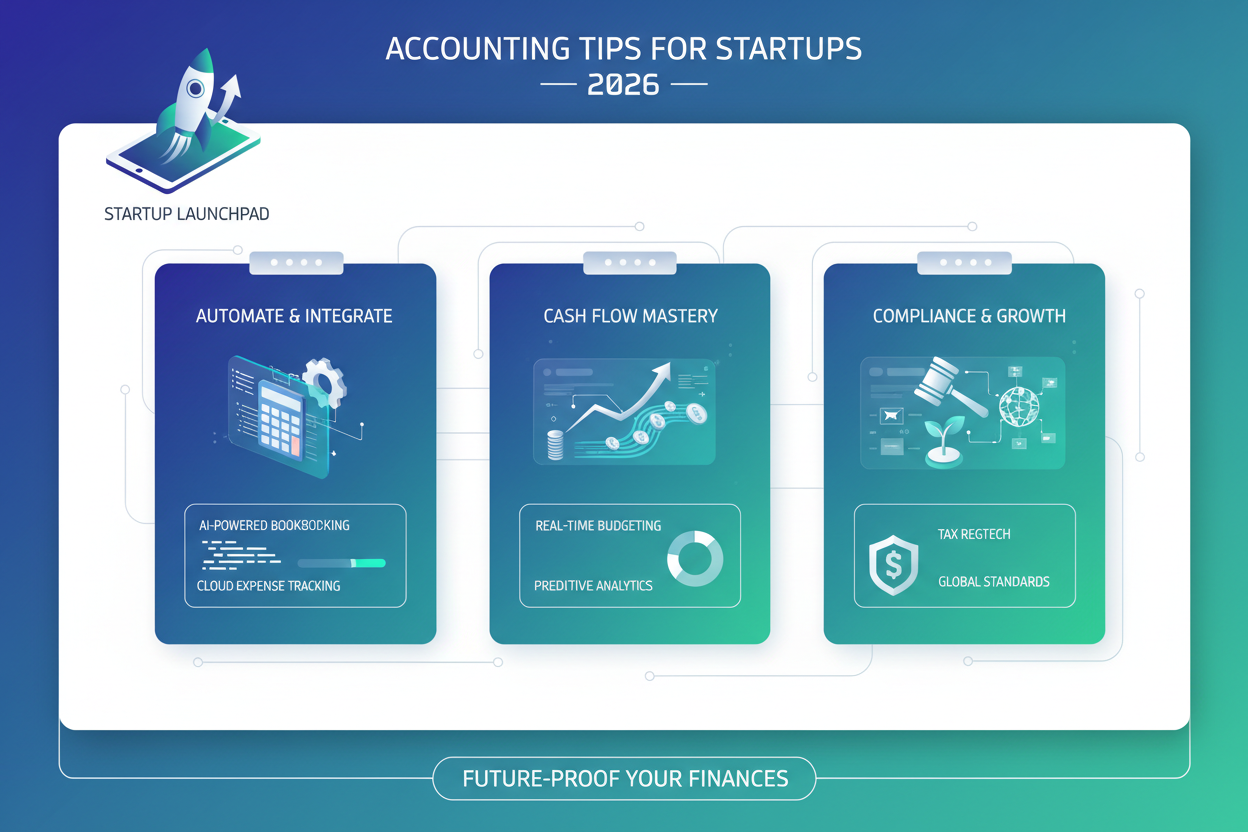

Building a startup is exciting, but long-term success takes more than a strong idea and momentum. Behind every growing business is a financial system that keeps things steady, compliant, and investor-ready. When accounting is overlooked or pushed aside, small issues can quietly grow into serious problems, from cashflow pressure to missed filings and lost funding opportunities.
Many startup founders treat accounting as a problem to solve later. That later moment often arrives during tax season, an audit, or a funding round, when stress is already high. Messy records, unclear spending, or blurred personal and business finances can quickly derail progress.
This guide shares practical accounting tips for startups in 2026, focusing on the most common mistakes founders make and how to avoid them early. Putting the right processes in place from day one helps you stay in control, make informed decisions, and build confidence with investors as your business grows.
Common Accounting Mistakes Startups Make
For many startup founders, accounting feels like something to ‘deal with later.’ Early days are filled with product decisions, customer conversations, hiring, and constant problem-solving. Financial systems quietly slide down the priority list.

The issue is that accounting problems rarely announce themselves early. They build slowly, then surface at the worst possible time, during tax season, a funding round, or a cash crunch. Poor accounting does not just create admin stress. It affects how confidently you can make decisions, how investors view your business, and whether your startup can scale safely.
These accounting tips for startups focus on the most common mistakes founders continue to make in 2026 and how to avoid them before they become costly.
Mixing Personal and Business Finances
In the early stages, founders often use personal bank accounts or cards to cover business expenses. It feels efficient and harmless. Over time, however, this habit creates confusion and weakens financial clarity.
When personal and business spending blend together, it becomes difficult to see what the business is actually earning or costing. This mistake also raises concerns during tax filings and investor reviews. Clean separation is one of the first signs of financial maturity in a startup.
How to avoid it:
- Open a business bank account and credit card as early as possible
- Use them exclusively for business transactions
- Reimburse accidental personal charges immediately and document them clearly
Poor Bookkeeping and Record Management
Small transactions add up quickly. Missing receipts, delayed data entry, and inconsistent categorization create gaps that are hard to fix later. Poor bookkeeping does not always feel urgent until you need accurate reports, whether for taxes, budgeting, or investors. Disorganized records make it harder to understand spending patterns, identify waste, or plan future costs.
How to avoid it:
- Digitize receipts and invoices
- Record transactions as they happen
- Use cloud-based bookkeeping software to centralize records
Failing to Monitor Cash Flow
A startup can look profitable on paper and still run out of cash. Cash flow tracks the actual movement of money in and out of the business, not just revenue and expenses. Founders who ignore this often miscalculate their runway and make commitments they cannot sustain. Without cash flow visibility, even small delays in payments or unexpected costs can create serious pressure.
How to avoid it:
- Track inflows and outflows weekly
- Create short- and medium-term cash flow forecasts
- Review cash position regularly, not just at month-end
Skipping Bank Reconciliation
Bank reconciliation compares your internal records with actual bank statements. When this step is skipped, errors remain hidden. Transactions may be duplicated, missing, or incorrectly recorded, leading to unreliable financial data. Regular reconciliation acts as a safeguard against mistakes and fraud.
How to avoid it:
- Reconcile bank and credit card accounts monthly
- Investigate discrepancies immediately
- Do not delay corrections until year-end
Misclassifying Income and Expenses
When income or expenses are recorded under the wrong categories, financial reports lose meaning. Misclassification distorts profit margins, affects tax calculations, and makes budgeting unreliable. Over time, these errors compound and reduce confidence in your numbers.
How to avoid it:
- Set clear income and expense categories from the start
- Follow consistent classification rules
- Review reports regularly to catch errors early
Weak Tax Planning
Many startups only think about taxes when deadlines approach. This reactive approach increases stress and limits options. Without early planning, founders miss opportunities to reduce liabilities and prepare cash reserves for payments. Tax surprises often hit at the worst moment, when cash is already tight.
How to avoid it:
- Start tax planning at the beginning of the financial year
- Keep documentation organized and accessible
- Review obligations regularly instead of annually
Relying on Outdated Accounting Tools
Manual spreadsheets and outdated systems slow startups down and increase errors. As transaction volume grows, these tools fail to provide real-time insights or scalability. Founders end up spending time fixing issues instead of analyzing performance. Modern accounting tools support automation, accuracy, and growth.
How to avoid it:
- Adopt modern accounting software early
- Integrate payments, payroll, and reporting
- Use dashboards to track performance consistently
Strong accounting habits do not restrict growth. They support it. By addressing these common mistakes early, startups gain clarity, confidence, and control over their finances. Clean books, accurate data, and proactive planning create a foundation that investors trust, and founders can build on with less stress and fewer surprises.
Startup Accounting Best Practices 2026
Managing accounts properly is one of the most important habits a small business owner can develop. Clear financial records not only keep you compliant with HMRC requirements but also help you understand how your business is really performing. The following best practices can help you stay organized and financially confident in 2026.

Choose an Accounting Method and Stay Consistent
One of the first decisions you will make is whether to use cash accounting or accrual accounting. Cash accounting records income and expenses when money actually changes hands, making it easier to track cash flow and suitable for many small businesses. Accrual accounting records income when it is earned and expenses when they are incurred, providing a more accurate picture of financial performance over time. Whichever method you choose, apply it consistently so your reports remain reliable and meaningful.
Keep Personal and Business Finances Separate
Mixing personal and business finances creates confusion and can lead to tax issues or missed expense claims. Open a dedicated business bank account as soon as you set up your company or register as a sole trader. Pay business expenses from this account and deposit all business income into it. If you ever need to use personal funds for business purposes, keep clear records so the transactions can be accounted for properly.
Schedule Regular Bookkeeping Time
Bookkeeping is easy to postpone, especially when you are focused on running day-to-day operations. However, setting aside time each week or month to review transactions, reconcile accounts, and organize receipts prevents small errors from becoming major problems. Regular bookkeeping also makes year-end reporting and tax filing far less stressful.
Use Invoicing and Accounting Automation
Digital accounting tools can save time and reduce mistakes. Many cloud-based platforms allow you to create recurring invoices, track expenses, and generate financial reports automatically. Automation helps maintain a steady cash flow by ensuring invoices are sent on time and payments are monitored consistently.
Stay On Top of Taxes
Small businesses in the UK may need to manage VAT, corporation tax or income tax, payroll taxes, and other obligations, depending on their structure. Keeping accurate records throughout the year makes these responsibilities easier to handle. Working with a qualified accountant can also help you claim allowable expenses, plan efficiently, and avoid costly penalties.
Plan Ahead with Financial Forecasts
Even profitable businesses benefit from forecasting. Reviewing projected income, expenses, and cash flow helps you prepare for slower periods, rising costs, or expansion plans. Financial projections provide clarity when deciding whether to invest, hire, or seek financing.
Seek Professional Support When Needed
As a business grows, accounting becomes more complex. Outsourcing bookkeeping or working with an accountant can save time, improve accuracy, and provide valuable financial insight. Professional guidance allows business owners to focus on growth while staying confident that their finances are in good order.
Bookkeeping Tips for Startups
Good bookkeeping is the backbone of a healthy startup. When your financial records are organized and up to date, it becomes much easier to manage cash flow, meet tax obligations, and make confident decisions as your business grows. Here are some practical bookkeeping tips to help you stay on track:
Separate Personal and Business Finances: Open a dedicated business bank account as soon as possible. Keeping transactions separate makes bookkeeping clearer, simplifies tax preparation, and reduces the risk of errors or missed expenses.
• Choose the Right Accounting Method: Decide whether cash-basis or accrual accounting suits your startup. Cash-basis is simpler and easier to manage in the early stages, while accrual accounting provides a more accurate picture of long-term financial performance.
• Use Accounting Software: Modern accounting tools can automate invoicing, track expenses, and generate financial reports. This saves time, reduces manual errors, and gives you a clearer, real-time view of your finances.
• Track Every Expense Carefully: Keep receipts, invoices, and payment records organized. Categorizing expenses properly helps you understand where your money is going and ensures you can claim legitimate tax deductions.
• Stay Aware of Tax Obligations: Make sure you understand the taxes that apply to your business and set aside funds regularly. Planning ahead helps avoid last-minute stress or unexpected liabilities.
• Monitor Cash Flow Regularly: Cash flow is essential for keeping your business running smoothly. Review incoming and outgoing payments frequently so you can plan spending and avoid shortfalls.
• Keep Records Organized and Audit-Ready: Maintain clear, accessible records of bank statements, contracts, and financial documents. A good organization makes reporting, funding applications, or audits much easier.
• Seek Professional Guidance When Needed: As your startup grows, working with an accountant or bookkeeper can help improve accuracy, ensure compliance, and support better financial planning.
When Should a Startup Hire an Accountant
In the early days of a startup, it’s natural to focus on keeping costs low. Many founders assume that accountants are only necessary once the business is profitable or dealing with complex finances. In reality, bringing in an accountant earlier can save time, prevent costly mistakes, and help you build a strong financial foundation from the start.

The real question is not whether you need an accountant, but when the right time is to get professional support. For many startups, the right guidance at key stages can mean the difference between steady growth and constant financial stress. Here are some of the most common moments when hiring an accountant becomes a smart move rather than an optional expense.
1. Before Choosing Your Business Structure
One of the first decisions you will make is how to set up your business. Whether you operate as a sole trader, partnership, or limited company affects your taxes, responsibilities, and future funding options. An accountant can explain the implications of each choice and help you start on the right footing.
2. When You Register or Formally Launch the Business
Once your business is officially registered, you take on responsibilities such as record-keeping, filing returns, and meeting tax deadlines. An accountant can help set up bookkeeping systems, recommend suitable software, and ensure you stay compliant from day one.
3. When You Start Hiring or Paying Yourself
Payroll, pensions, and tax calculations can quickly become complicated. Professional guidance helps you structure salaries, dividends, and employee payments correctly while avoiding penalties.
4. When Your Business Begins to Grow
As revenue increases, so do financial obligations. VAT registration, forecasting, and cash flow planning become more important, and an accountant can help you stay organized and prepared.
5. When You Need Funding or Long-Term Planning
Investors and lenders expect accurate financial statements and realistic projections. An accountant can help you present clear numbers and plan for sustainable growth.
Ultimately, hiring an accountant is not just about filing taxes. It’s about having a trusted adviser who helps you understand your numbers, reduce risks, and make confident decisions as your startup moves forward.
Accounting Software for Startups
Choosing the right accounting software is one of the most important early decisions a startup can make. A good system saves time, reduces errors, and gives founders a clear view of their finances. While there are many options available, the best choice depends on the size of your business, the complexity of transactions, and your plans for growth. Here are some of the most commonly used accounting software options for startups:
QuickBooks Online
A popular starting point for many startups, QuickBooks Online is widely used, user-friendly, and flexible enough to support growing businesses. Because many accountants are familiar with it, getting professional support or outsourcing bookkeeping later is much easier. It also allows companies to transition to more advanced systems as they scale.
NetSuite
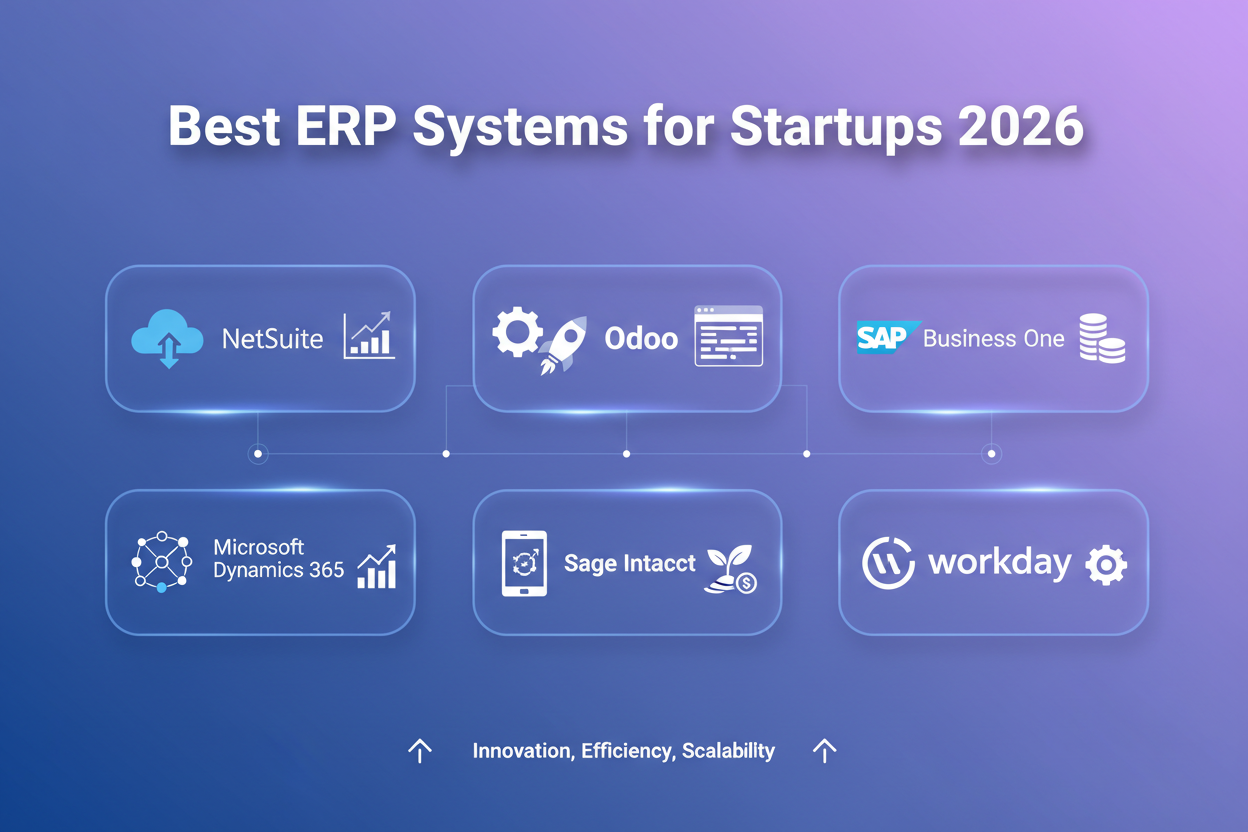
NetSuite is a powerful enterprise-level platform designed for larger or rapidly growing companies. It offers advanced features and strong reporting capabilities, but the cost and implementation effort can make it excessive for early-stage startups. It is usually better suited to businesses handling complex, high-volume operations.
FreshBooks
FreshBooks works well for freelancers, consultants, and very early-stage startups. It is simple to use and particularly strong for invoicing and basic expense tracking, though it may feel limiting as transaction volumes increase.

Wave
Wave is another beginner-friendly option, especially for sole proprietors or small startups with straightforward finances. It can handle basic accounting needs, but growing businesses may eventually require more robust tools.
Xero
Xero is a modern cloud-based accounting solution known for its intuitive interface and useful features for small businesses. Many startups appreciate its flexibility, though the best choice often depends on workflow needs and the accountant’s familiarity.
Quick Comparison of Accounting Software for Startups
| Software | Best For | Key Strength | Consideration |
| QuickBooks Online | Most startups and growing businesses | Widely used, easy to learn, accountant-friendly | Monthly subscription cost |
| NetSuite | Large or rapidly scaling startups | Advanced features and enterprise reporting | Expensive and complex to implement |
| FreshBooks | Freelancers and early-stage startups | Simple invoicing and expense tracking | Limited scalability |
| Wave | Sole proprietors and very small businesses | Free or low-cost basic accounting | Fewer advanced features |
| Xero | Small businesses and startups | Modern interface and cloud features | Some features may depend on region or integrations |
In general, cloud-based accounting software is the best fit for startups, allowing founders and accountants to access financial data from anywhere and manage accounts efficiently while focusing on growth.
Conclusion
Strong financial habits are not just administrative tasks; they are a foundation for sustainable growth. By following practical accounting tips for startups, founders can avoid many of the common accounting mistakes startups make and build systems that support better decision-making from the very beginning. Clear records, consistent bookkeeping, and regular cash flow monitoring provide the visibility needed to manage risk and plan confidently.
As highlighted throughout this startup financial management guide, adopting startup accounting best practices in 2026 means being proactive rather than reactive. Using reliable accounting software for startups, staying organized, and seeking professional advice when needed can save significant time, money, and stress later. Many founders also discover that knowing when a startup should hire an accountant is just as important as choosing the right tools, since expert guidance often prevents costly errors before they occur.
Ultimately, accounting is not just about compliance or taxes. It is about understanding your numbers, protecting your cash flow, and creating a business that can grow with stability and confidence. Start early, stay consistent, and your financial systems will support your startup every step of the way.








Post Comment