Data Centers and AI Infrastructure Wars: The $20B Aligned–BlackRock Deal Explained

Artificial intelligence has moved from research laboratories into everyday commercial systems, and that transition has created an enormous demand for computing capacity. Large language models, generative AI systems, advanced simulations, and autonomous software platforms require immense processing power and massive storage networks. Those requirements place enormous pressure on digital infrastructure, particularly hyperscale data centers designed to support high-density computing environments. As a result, global investment in data center capacity has accelerated dramatically during the past few years.
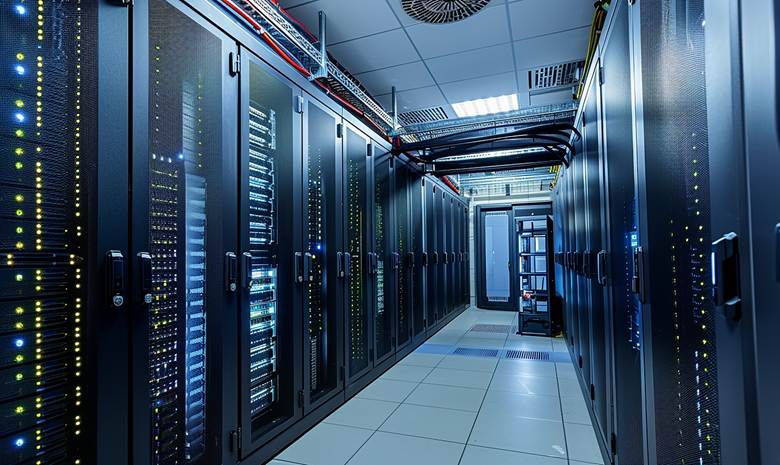
Against this backdrop, a major infrastructure deal announced in October 2025 captured the attention of technology investors, cloud providers, and infrastructure planners around the world. A consortium led by BlackRock’s Global Infrastructure Partners, along with MGX and members of the Artificial Intelligence Infrastructure Partnership, announced plans to acquire Aligned Data Centers. The transaction, widely discussed as a $20 billion investment, implies a company valuation close to $40 billion and represents one of the largest private infrastructure commitments connected directly to artificial intelligence computing capacity. Understanding why this acquisition matters requires examining the growing pressure on AI infrastructure, the technology behind advanced data centers, and the strategic interests of the investors involved.
Key Details of the Aligned–BlackRock Deal
Several facts define the structure and importance of this acquisition. The following points summarize the central elements of the transaction and explain why it has drawn global attention from infrastructure investors and technology companies.
- The acquisition is being led by the Artificial Intelligence Infrastructure Partnership consortium.
- Core investors include BlackRock’s Global Infrastructure Partners, MGX, Microsoft, and NVIDIA.
- The enterprise value implied by the transaction approaches $40 billion.
Public discussions frequently reference the $20 billion equity investment supporting the deal. - The transaction involves purchasing equity previously held by funds managed by Macquarie Asset Management.
- Closing is expected during the first half of 2026 pending regulatory approval.
These facts show that the deal is far larger than a typical technology investment. It represents a coordinated effort to build infrastructure capable of supporting the next generation of artificial intelligence systems.
The Explosive Demand for AI Infrastructure
Artificial intelligence systems rely on enormous volumes of computational processing. Training large models requires clusters of graphics processing units operating simultaneously across thousands of servers. Once these models are deployed, they continue consuming resources as users generate prompts, run simulations, or analyze data streams. Cloud platforms support this activity by providing scalable computing capacity without requiring companies to build their own physical infrastructure.
This trend has produced extraordinary growth in hyperscale data centers. Technology companies now compete aggressively to construct facilities capable of supporting dense AI workloads. Traditional enterprise data centers typically supported lower power densities suitable for general computing tasks. AI workloads push far beyond those limits, often requiring sophisticated cooling systems and dramatically higher electrical capacity per server rack. These requirements have forced infrastructure providers to rethink how data centers are designed, built, and operated.
Energy supply also plays a central part in the equation. AI servers consume enormous amounts of electricity, and infrastructure developers must secure long-term power agreements before constructing new facilities. Renewable energy integration, advanced cooling technologies, and efficient power distribution networks have become central engineering challenges within next-generation data center construction. Investors increasingly view these facilities as strategic assets comparable to transportation networks or telecommunications infrastructure.
Understanding Aligned Data Centers

Aligned Data Centers has grown rapidly within this environment. The company focuses on designing and operating data center campuses capable of supporting hyperscale cloud providers and high-density computing systems. Within less than a decade, Aligned established itself as one of the fastest-growing infrastructure operators in the industry. Its expansion strategy relies on acquiring strategic land parcels near major digital markets and constructing large campuses capable of hosting multiple customers.
The company’s infrastructure footprint includes dozens of facilities located in major technology hubs across North America and Latin America. Key markets include Northern Virginia, Chicago, Dallas, Phoenix, and several rapidly growing digital regions in Latin America such as São Paulo and Santiago. These regions function as digital gateway points where internet traffic converges, making them attractive locations for cloud platforms and enterprise computing systems.
Aligned’s engineering strategy focuses on adaptable infrastructure capable of supporting changing technology requirements. Artificial intelligence workloads evolve quickly, and data center operators must provide flexible power and cooling capacity to accommodate new generations of hardware. The company developed proprietary cooling systems designed to handle higher computing densities without requiring complete facility redesigns. This adaptability appeals strongly to hyperscale customers who continually upgrade equipment as artificial intelligence models grow more complex.
Real-World AI Workloads Driving Data Center Expansion
The demand for large-scale computing facilities becomes clearer when examining how artificial intelligence systems operate in practice. Training large language models, for instance, requires enormous clusters of graphics processors running continuously for extended periods. Thousands of GPUs may work together to process training datasets that contain billions of text samples or images. Facilities hosting these clusters must deliver very high electrical capacity and advanced cooling systems to prevent overheating.
Generative AI platforms used by millions of users create another layer of infrastructure demand. Each request submitted by a user activates complex computational processes across multiple servers. The system must respond quickly, which requires a distributed network of high-performance computing resources. Data centers supporting these services must maintain consistent network connectivity, extremely reliable power distribution, and highly efficient cooling systems.

Artificial intelligence also plays an expanding part in autonomous vehicle research and industrial simulation platforms. These applications generate enormous data streams representing physical environments, sensor signals, and predictive models. Processing this information requires large server clusters capable of handling continuous workloads. As these research programs expand, demand for hyperscale computing facilities grows accordingly.
The Consortium Behind the Acquisition
The acquisition of Aligned Data Centers is being led by a consortium anchored by the Artificial Intelligence Infrastructure Partnership. BlackRock and Global Infrastructure Partners hold central positions within this partnership, bringing extensive experience in financing and operating complex infrastructure assets. Their involvement signals that artificial intelligence infrastructure has entered the same investment category as transportation systems or energy networks.
MGX, an investment organization focused on advanced technology development, also participates in the consortium. The partnership structure includes collaboration with major technology companies that rely heavily on data center capacity, including Microsoft and NVIDIA. These organizations contribute strategic insight into the infrastructure requirements necessary for future artificial intelligence systems.
The partnership structure reflects a broader pattern within the technology sector. Constructing massive computing infrastructure requires enormous capital investment, long development timelines, and extensive technical coordination. By combining financial expertise with technological knowledge, consortium models allow investors and technology firms to pursue projects that would otherwise exceed the risk tolerance of a single organization.
Major Investors Supporting AI Infrastructure
Large infrastructure projects typically involve multiple financial participants that contribute capital, technology expertise, or strategic partnerships. The Aligned acquisition illustrates how different institutions collaborate to support global computing infrastructure.
| Investor | Type | Strategic Interest |
| BlackRock Global Infrastructure Partners | Infrastructure investor | Financing large-scale data center expansion |
| MGX | Technology investment organization | Supporting AI and advanced technology infrastructure |
| Microsoft | Cloud platform provider | Securing compute capacity for AI services |
| NVIDIA | AI hardware manufacturer | Expanding GPU-driven data center demand |
| Temasek | Sovereign wealth fund | Long-term investment in digital infrastructure |
| Kuwait Investment Authority | Sovereign wealth fund | Exposure to global technology infrastructure |
These investors represent a combination of financial institutions, technology leaders, and sovereign investment organizations. Their combined resources allow the partnership to support extremely large infrastructure projects.
Engineering Requirements of AI Data Centers
Artificial intelligence workloads introduce several technical challenges that infrastructure developers must address when constructing new facilities.
- High electrical capacity per server rack is required to support GPU clusters.
- Advanced cooling systems must manage heat generated by dense computing hardware.
- Facilities must maintain extremely reliable power distribution systems.
- Fiber connectivity must support high-speed data transfer between computing clusters.
- Infrastructure must remain adaptable as new generations of hardware emerge.
These requirements explain why next-generation data centers differ substantially from earlier enterprise facilities. Artificial intelligence workloads demand far greater power density, specialized cooling technologies, and highly reliable networking systems.
Geographic Expansion and Digital Gateways
Location selection remains a central consideration in data center development. Infrastructure operators seek sites that combine reliable power supply, strong network connectivity, and proximity to major population centers. These characteristics allow facilities to deliver fast digital services while maintaining operational reliability.
Northern Virginia represents one of the most prominent digital hubs in the world. The region hosts one of the largest concentrations of data centers globally due to its proximity to major internet exchange points and strong telecommunications infrastructure. Similar clusters have emerged in regions such as Dallas, Phoenix, and Chicago.
Aligned’s expansion into Latin American markets reflects the growing demand for regional cloud infrastructure. Cities such as São Paulo and Santiago serve rapidly expanding digital economies with increasing demand for cloud computing services. Establishing data center capacity within these regions reduces network latency while supporting local technology ecosystems.
The Role of Sovereign Wealth Funds
Sovereign wealth funds have become increasingly active investors in large-scale technology infrastructure. Organizations such as Temasek and the Kuwait Investment Authority allocate substantial capital toward sectors expected to influence long-term economic growth and digital competitiveness. Artificial intelligence infrastructure fits this investment profile because computing capacity now supports industries ranging from finance and manufacturing to healthcare and logistics. As artificial intelligence systems expand across global economies, the physical infrastructure supporting these systems becomes a strategic investment priority.
Long-Term Capital and Infrastructure Investment
Sovereign wealth funds typically operate with very long investment horizons. Unlike many private equity firms that seek shorter return cycles, these funds can support projects that require extended development periods before reaching full revenue potential. Data center infrastructure aligns well with this approach because facilities often take several years to plan, build, and fully lease to customers.
Once operational, data centers produce stable income streams through long-term leasing agreements with cloud providers, enterprise technology companies, and digital service platforms. These contracts frequently span multiple years and involve predictable pricing structures. Such arrangements make digital infrastructure attractive for sovereign investors seeking reliable returns while supporting sectors expected to drive economic development for decades.
Strategic Interest in Artificial Intelligence Infrastructure
Artificial intelligence computing infrastructure has emerged as a strategic national interest for many governments. Large-scale AI systems require access to advanced computing clusters, high-speed networks, and reliable power infrastructure. Countries that participate in building this infrastructure gain influence within the global digital economy and strengthen their domestic technology ecosystems.
Investment in data centers therefore represents more than financial opportunity. It also provides exposure to technological progress occurring within artificial intelligence research, cloud computing services, and digital platform development. Sovereign funds recognize that companies controlling computing infrastructure will play an influential part in shaping how AI technologies develop and deploy globally.
Collaboration with Private Infrastructure Investors
Large infrastructure projects often require collaboration between sovereign wealth funds and private investment groups. Partnerships allow institutions to combine financial resources with operational expertise. In the Aligned Data Centers acquisition, sovereign investors support a consortium that includes infrastructure specialists and major technology companies.
This collaborative model spreads financial risk across multiple participants while enabling projects of enormous scale. Private infrastructure firms contribute experience in managing complex assets, while sovereign funds supply long-term capital capable of supporting expansion across multiple regions. Technology companies within these partnerships contribute insight into computing requirements and future infrastructure needs.
Such partnerships have become increasingly common in global infrastructure development. They allow governments and financial institutions to participate in emerging technology sectors without assuming the full operational responsibility of building and managing facilities themselves.
Global Influence and Digital Infrastructure Strategy
Participation from sovereign wealth funds also highlights the geopolitical importance of artificial intelligence infrastructure. Computing capacity, energy supply for data centers, and access to advanced semiconductor technology all influence national competitiveness within digital industries. Governments recognize that maintaining access to large-scale computing infrastructure strengthens their position within the global technology economy.
By investing directly in infrastructure platforms such as Aligned Data Centers, sovereign funds gain exposure to the backbone systems supporting artificial intelligence development. These investments also allow countries to participate in shaping the expansion of global computing networks that support cloud platforms, research institutions, and emerging AI services.
As artificial intelligence adoption continues expanding across industries, sovereign wealth funds will likely remain central participants in financing the infrastructure required to sustain that growth. Their involvement signals that data center networks are now viewed as strategic assets within the global digital economy.
Implications for the Global AI Economy
The acquisition of Aligned Data Centers signals a broader transformation within the technology sector. Artificial intelligence systems increasingly require infrastructure on a scale previously associated with national utilities. Massive computing facilities, advanced power networks, and specialized cooling technologies form the backbone of this emerging digital ecosystem.
Investments of this magnitude illustrate the scale of resources required to support global AI adoption. Training and operating advanced models demands enormous computational power, and infrastructure providers must continually expand capacity to meet that demand. As a result, the financial community now views data centers as strategic assets that support the digital economy.
This transaction also demonstrates how technology companies, financial investors, and sovereign institutions collaborate to build large infrastructure platforms. By combining technological expertise with financial resources, these partnerships accelerate the development of facilities capable of supporting next-generation computing systems.
Conclusion
The planned acquisition of Aligned Data Centers by a consortium led by BlackRock’s Global Infrastructure Partners represents one of the most consequential infrastructure investments associated with artificial intelligence. The deal highlights the extraordinary demand for computing capacity created by advanced AI models and cloud services. With an enterprise valuation approaching $40 billion and an equity investment widely discussed at around $20 billion, the transaction reflects the scale of capital flowing into digital infrastructure.
Aligned’s extensive network of data center campuses, adaptable engineering systems, and strategic geographic presence position the company as a major participant in the global expansion of AI computing facilities. Backed by a partnership that includes technology leaders, financial institutions, and sovereign wealth funds, the company is expected to accelerate development of new campuses designed specifically for high-density artificial intelligence workloads.
As artificial intelligence becomes integrated across industries ranging from finance and healthcare to logistics and entertainment, the infrastructure supporting these systems will continue expanding. Investments such as the Aligned acquisition demonstrate that the competition for computing capacity has become a central feature of the global technology landscape. Data centers now function as the physical foundation of the digital economy, and the organizations building them will play a decisive part in determining how artificial intelligence develops during the coming decades.






Post Comment