Startup Accounting Tips for 2026: Financial Systems That Scale
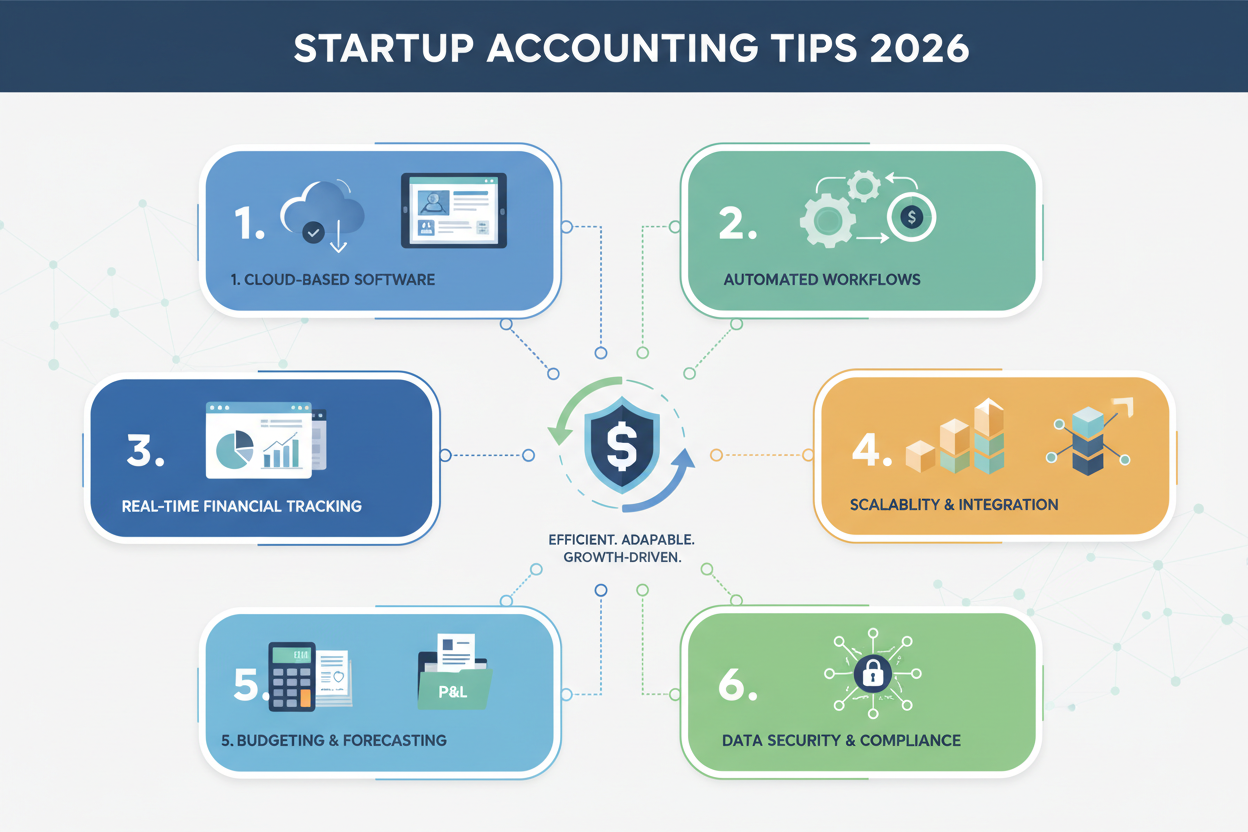
Startup accounting is more than tracking expenses or filing taxes. It is the foundation that supports every product launch, hiring decision, and funding round. In the early stages, founders juggle growth, customers, and operations. Financial management often gets pushed aside. That delay can be expensive. These accounting tips for startups are designed to help founders avoid that costly mistake and build systems that support long-term scale.
Research consistently shows that cash flow problems are one of the leading reasons startups fail. Running out of cash is rarely about a lack of vision. It is usually about a lack of visibility. When you do not have real-time insight into revenue, burn rate, margins, and runway, decision-making becomes reactive instead of strategic. Learning how to manage startup cash flow early can dramatically reduce this risk.
In 2026, accounting is not just about compliance. It is about building financial systems that scale with your business. From choosing the best accounting software for startups 2026 to integrating AI tools and advisory support, startups need infrastructure that grows alongside complexity. The right systems reduce manual work, improve reporting accuracy, and give investors confidence that your business is built to last. These accounting tips for startups focus on building that scalable foundation.
Key Takeaways
- Cash flow visibility is critical: Without clear insight into burn rate and runway, even promising startups can stall.
- Early systems matter: The accounting tools and processes you choose today shape how smoothly you scale tomorrow.
- Automation and AI are essential: Modern accounting software and AI-driven insights reduce manual work and improve accuracy.
- Compliance is not enough: Startups that thrive treat accounting as a strategic function, not just a reporting obligation.
- Investors expect structure: Clean records, clear forecasts, and reliable reporting build trust and unlock funding opportunities.
- Scalable infrastructure saves time: The right systems free founders to focus on growth instead of chasing spreadsheets.
This guide explores practical, forward-looking strategies to help you move beyond basic bookkeeping and create a financial framework designed for sustainable growth. Let’s explore.
What is Startup Accounting?
Startup accounting is the process of tracking, organizing, and interpreting your company’s financial activity from day one. It includes recording income and expenses, managing cash flow, preparing financial statements, and building reports that show how your business is performing. The goal is simple: maintain clear, accurate records that help you make informed decisions and communicate financial health to investors and stakeholders.

Unlike traditional small business accounting, startup accounting often involves added complexity. Founders must monitor burn rate, manage investor capital, forecast cash flow, and prepare for funding rounds while scaling operations. Bookkeeping records the numbers. Accounting turns those numbers into insights. For startups, it is not just about compliance. It is about building a financial system that supports growth, planning, and long-term sustainability. These foundational principles are central to effective accounting tips for startups in 2026.
Bookkeeping Setup for New Startup
Many startups don’t fail because of a weak idea. They fail because their finances were never properly structured. Before growth slows or funding falls through, the warning signs usually appear in the numbers. Cash flow becomes tight. Reports are incomplete. Tax deadlines create stress. The good news is that this is entirely preventable. A strong bookkeeping setup for new startup operations from day one gives you clarity, control, and confidence as you grow.
Why Bookkeeping Matters Early
As stated earlier, bookkeeping is more than tracking income and expenses. It gives you real visibility into how your business is performing. Without structure, small financial gaps turn into major problems over time. When done correctly, bookkeeping and financial control help you:
- Understand your burn rate and operating costs
- Monitor cash flow in real time
- Prepare clean reports for investors
- Stay compliant with tax and regulatory requirements
- Make informed decisions about hiring, pricing, and growth
These insights help founders stay ahead of financial risks and plan growth with confidence. Strong bookkeeping habits early on create a reliable foundation for smarter decisions and long-term stability.
Build the Right Foundation
Strong financial systems should be in place from the very beginning. When startups organize their accounting early, they gain clearer visibility into revenue, expenses, and cash flow. This makes it easier to make smart decisions as the business grows. Simple steps like selecting the right accounting method, separating personal and business finances, and choosing reliable bookkeeping software create a stable structure for daily operations.
With the right foundation in place, startups can manage finances more confidently and avoid many of the problems that appear when financial systems are set up too late. Start with core financial decisions that shape everything else:
- Choose Your Accounting Method:
Most startups benefit from accrual accounting because it records revenue when it is earned and expenses when they are incurred. This method gives a clearer picture of financial performance and helps founders understand the true health of their business as it grows. - Open a Dedicated Business Bank Account:
A dedicated business bank account keeps personal and business finances completely separate, making bookkeeping far easier and more transparent. It also helps maintain professional records for taxes and reporting. Connecting your bank account directly to your accounting software can further streamline tracking and reduce manual data entry. - Select Scalable Bookkeeping Software:
Choosing the right bookkeeping software early can save significant time and effort as your startup grows. Look for tools that offer automation, bank integrations, and real-time financial reporting so you always have clear visibility into your numbers. Relying solely on spreadsheets can become difficult to manage as transactions increase.
When evaluating systems, researching the best accounting software for startups in 2026 ensures your infrastructure can handle growth without constant migration.
Create Structure and Consistency
When bookkeeping is structured early, it becomes a growth tool rather than a cleanup task. Investors gain confidence. Founders gain clarity. And your startup gains a financial system designed to scale, not unravel under pressure. Once the basics are in place, build strong financial habits:
- Set up a clear, customized chart of accounts
- Categorize transactions consistently
- Track receipts digitally and store documentation
- Reconcile bank accounts monthly
- Review three essential reports regularly: Balance Sheet, Income Statement (P&L), Cash Flow Statement
Consistent financial habits help startups maintain accuracy and avoid confusion as transactions increase. Over time, this structure builds reliable financial records that support better planning, reporting, and decision-making.
Startup Accounting Checklist 2026
A clear financial structure is one of the most important assets a startup can build. As businesses grow, accounting systems must support better visibility, faster decisions, and stronger compliance. Without the right processes in place, even promising startups can struggle with cash flow, reporting, and financial planning.
What 2025 Taught Us, and How to Move Forward
The past year was not about minor adjustments. It was a structural reset for accounting firms and growing businesses. Technology evolved quickly, regulatory pressure increased, and workforce shortages forced leadership teams to rethink how work gets done.
Firms that adapted are entering 2026 with stronger systems and healthier margins. Those that did not are facing burnout, inefficiencies, and stalled growth. As you plan for 2026, this startup accounting checklist 2026 highlights the most important lessons from 2025 and how to apply them in a practical, sustainable way.

Treat AI as a Strategic Growth Tool
In 2025, the conversation around AI shifted dramatically. Instead of fearing replacement, successful firms learned how to integrate AI into their workflows in a way that strengthened professional judgment. AI proved most valuable when it reduced repetitive work and allowed teams to focus on higher-value analysis and advisory. Firms that used AI effectively saw meaningful improvements across key areas:
- Financial close cycles accelerated because reconciliations and exception reviews were automated. Teams spent less time validating data and more time interpreting results.
- Tax planning became more proactive through predictive analytics that identified risks and opportunities earlier in the year.
- Audit quality improved as AI tools flagged anomalies at scale, increasing coverage while reducing manual fatigue.
The key lesson is simple. AI works best when paired with experienced professionals. It should support expertise, not replace it.
Redesign Your Workforce Model
The talent shortage in 2025 forced firms to acknowledge that traditional hiring models were no longer sustainable. Rising compensation expectations and a shrinking CPA pipeline made it difficult to scale quickly during peak seasons. Many firms realized that simply adding headcount did not solve long-term capacity challenges.
Successful firms moved toward an extended team model. Offshore and outsourced professionals were not treated as temporary help. Instead, they were integrated into daily workflows, communication routines, and quality standards. This approach creates flexibility while preserving control and quality. To strengthen your workforce strategy in 2026:
- Embed offshore professionals directly into your systems and processes.
- Balance workloads across onshore and offshore teams to reduce burnout.
- Focus leadership energy on client development rather than constant recruiting.
By redesigning how teams operate, firms can maintain service quality while easing pressure on internal staff. A balanced workforce model creates capacity, improves efficiency, and allows leadership to focus on growth rather than staffing challenges.
Elevate Outsourcing into a Growth Strategy
In 2025, outsourcing stopped being about cost savings alone. Firms that treated outsourcing as a transactional solution experienced misalignment and quality issues. Those that treated it as a strategic partnership saw stronger results. Outsourcing delivers long-term value only when aligned with your broader growth goals. High-performing firms adopted several key practices:
- Complex work, such as reconciliations, tax preparation, and audit support, was delegated to skilled professionals, not limited to basic data entry.
- Performance was measured using outcome-based metrics like turnaround time, accuracy, and rework rates rather than hours billed.
- Governance frameworks were formalized, including documented SOPs and clear accountability structures.
When outsourcing is managed strategically, it becomes a powerful extension of your firm rather than just external support. With the right structure and accountability, it can improve service quality, increase capacity, and allow teams to focus on higher-value advisory work.
Standardize on Cloud-Based Infrastructure
Cloud-based accounting moved from recommended to essential in 2025. Firms relying on fragmented or on-premise systems struggled with collaboration, real-time reporting, and remote workforce coordination. Cloud standardization is no longer a technical upgrade. It is a growth requirement. In 2026, your technology environment should support scalability and transparency. That means:
- Aligning accounting, tax, and audit systems within a unified cloud ecosystem.
- Enabling secure, role-based access controls for both internal and extended teams.
- Delivering real-time reporting that strengthens client engagement.
Standardizing cloud systems allows teams to collaborate more easily and access financial data from anywhere without delays. With the right infrastructure in place, firms can improve transparency, strengthen client communication, and scale operations without constant system disruptions.
Strengthen Governance for Offshore Delivery
One of the biggest mistakes in 2025 was underestimating the structure required to manage offshore teams at scale. These are among the common financial mistakes startups make when governance is weak. Communication gaps, undocumented processes, and unclear ownership created avoidable inefficiencies.

When governance is strong, offshore teams become a reliable extension of your firm rather than a risk factor. Firms that succeeded approached offshore delivery with the same rigor applied to internal teams. They invested in:
- Clear SOP ownership across workflows
- Dedicated account managers as single points of coordination.
- Regular performance reviews focused on outcomes and quality.
- Defined security controls and compliance checkpoints.
With the right governance structure, offshore delivery becomes more predictable, efficient, and secure. Clear processes, accountability, and regular performance monitoring help teams maintain consistency while supporting long-term operational growth.
Stay Proactive on Regulatory Change
Regulatory shifts accelerated in 2025, creating unexpected pressure for firms that were slow to adapt. New reporting requirements and expanded documentation expectations disrupted workflows and increased review bottlenecks.
The firms that navigated change successfully treated compliance as an ongoing discipline. Instead of reacting to deadlines, they built monitoring frameworks and updated processes early.
Compliance readiness directly impacts client trust and operational stability. To stay prepared in 2026:
- Monitor regulatory updates continuously rather than seasonally.
- Update internal systems before new rules take effect.
- Train teams proactively to avoid workflow disruption.
- Build documentation and review checkpoints into standard procedures.
Taking a proactive approach to regulatory change helps firms avoid last-minute disruptions and costly errors. When compliance monitoring becomes part of everyday operations, teams can adapt smoothly, protect client trust, and maintain consistent workflow throughout the year.
Core Accounting Processes Every Startup Must Maintain
Amid all these structural shifts, the fundamentals still matter. No system can scale without disciplined execution of core accounting tasks.
- Maintain Reliable Accounting Software
Your accounting platform should serve as the central source of truth. Every transaction must be recorded accurately and categorized correctly. Regular system reviews ensure data integrity and reporting accuracy. - Reconcile Bank Accounts Consistently
Monthly reconciliation allows you to detect discrepancies early. Comparing internal records with bank statements strengthens financial accuracy and reduces audit risk - Prepare Essential Financial Statements
Financial statements and reports provide visibility into profitability, liquidity, and overall financial position. Every startup should generate and review an income Statement (P&L),Balance Sheet, Cash Flow Statement. Reviewing these statements regularly helps founders understand where money is coming from and where it is being spent. This visibility supports better financial decisions and helps startups plan growth with greater confidence. - Prioritize Financial Planning & Analysis
Financial planning and analysis move you beyond record-keeping. Through budgeting, forecasting, and performance analysis, you align strategy with measurable financial outcomes and reinforce strong accounting tips for startups in practice.
Financial Mistakes Startups Make
Entrepreneurs are bold. They understand their customers, move fast, and focus on building something meaningful. But when you are juggling product development, marketing, hiring, and fundraising, finances can easily slip to the bottom of the list. Sitting down with accounting software every week is rarely a founder’s priority. Unfortunately, ignoring the numbers can be expensive. Here are five common financial mistakes startups make and how to avoid them.

Poor Record-Keeping
Your financial reports are only as reliable as the data behind them. When expenses go untracked or revenue is miscategorized, decision-making becomes guesswork. Without a clean system in place, even promising businesses struggle to present credible numbers to investors.
Growing Too Fast Without Cash Planning
Revenue growth is exciting, but growth consumes cash. Hiring, inventory, marketing, and expansion all require upfront investment. If you do not forecast cash flow carefully, you may run short before revenue catches up.
Letting Overhead Outpace Recurring Revenue
Adding employees, office space, and benefits too quickly can strain finances. Sustainable growth happens when fixed costs are aligned with predictable, recurring income. When overhead expands faster than stable revenue streams, cash flow pressure builds quietly in the background. Smart founders scale expenses gradually, using recurring revenue as the anchor for long-term financial stability rather than relying on short-term spikes in sales.
Tracking Vanity Metrics Instead of Real Drivers
Revenue alone is not enough to measure the health of your startup. High sales numbers can look impressive, but they do not automatically translate into profitability or sustainability. What truly matters is understanding your customer acquisition cost, gross margins, operating expenses, and retention rates. These are the metrics that reveal whether your growth is efficient or simply expensive.
Chasing the Wrong Capital
External funding can be helpful, but relying too heavily on investor money instead of building profitability can weaken long-term stability. Internal capital generated through sales is often the strongest foundation for growth. Strong financial discipline does not slow you down. It protects your momentum and gives your startup a better chance to succeed.
Final Thoughts
The lessons of 2025 are no longer optional considerations or forward-looking trends. They have become operational realities. In 2026, scalable accounting depends on a thoughtful combination of technology and human expertise, balanced global teams, disciplined governance, and proactive regulatory planning. Firms and startups that treat these elements as interconnected pillars rather than isolated initiatives will be better positioned to compete in a demanding environment.
This is not about adopting every new tool or outsourcing for the sake of cost savings. It is about building intentional systems that support clarity, consistency, and long-term growth. AI should enhance professional judgment. Cloud infrastructure should improve transparency and collaboration. Extended teams should increase flexibility without compromising quality. Governance should protect both performance and trust.
Leaders who approach accounting strategically and implement structured accounting tips for startups will move beyond compliance-driven work and create stronger advisory relationships, healthier margins, and more predictable operations. Those who rely on outdated processes or reactive planning will continue to face pressure from rising costs, regulatory complexity, and client expectations.
The path forward is clear. Structure your systems. Align your teams. Invest in scalable technology. Strengthen oversight. Firms and startups that commit to these fundamentals will not simply withstand change. They will grow with confidence, operate with discipline, and deliver measurable value to clients, investors, and stakeholders alike.
FAQs
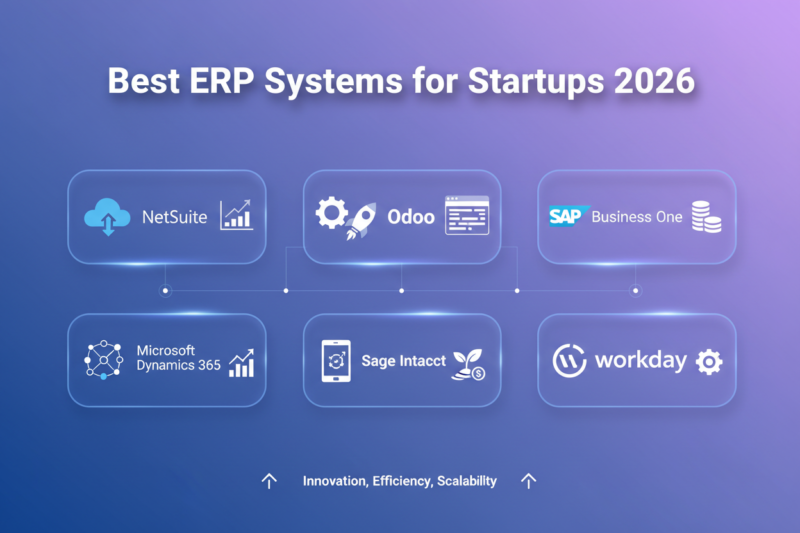
Do startups need an ERP system from the beginning?
Not always. Many startups operate effectively with accounting software and a few integrated tools during the early stages. An ERP system usually becomes necessary when operations grow more complex, such as managing multiple entities, large inventories, or international transactions.
When should a startup upgrade from basic accounting software?
An upgrade is often needed when the business expands beyond simple bookkeeping. Signs include multi-entity structures, international operations, complex inventory management, or stricter reporting and audit requirements.
Can startups manage accounting systems internally?
Some smaller tools can be set up internally, especially during the early stages. However, as financial systems become more complex, expert oversight from finance professionals or advisors can help prevent costly mistakes and ensure smoother implementation.
How long does it usually take to implement accounting systems?
Implementation timelines depend on the complexity of the system. Simple tools may take only a few weeks to set up, while more advanced systems like ERP platforms can take several months to fully implement and optimize.
Are accounting systems expensive for startups?
Costs vary widely depending on the tools and features required. The key is choosing systems that support growth and provide clear financial visibility without adding unnecessary complexity or overhead.










Post Comment