The Best Startup Incubator Case Studies: How Early Support Drives Success

New businesses rarely succeed through inspiration alone. Most startups begin with strong ideas but limited financial resources, minimal industry knowledge, and little access to investors or experienced advisors. These constraints create an environment where founders must develop products, validate markets, recruit talent, and secure funding at the same time. Without guidance during this stage, even promising ventures can stall before reaching meaningful growth. Startup incubators emerged to address this challenge by giving early-stage companies access to mentorship, funding opportunities, operational resources, and professional networks that help transform concepts into viable enterprises.

Over the past two decades, incubators and accelerator programs have reshaped the global technology ecosystem. Universities, venture capital firms, and independent organizations launched top incubator programs designed to help founders refine ideas and build scalable companies. Examining best startup incubator case studies reveals how early mentorship, investor access, and structured learning environments help startups move from experimentation to sustainable growth.
The Role of Incubators in Early Startup Development
Startup incubators operate on a simple principle: founders benefit from structured guidance during the earliest stages of company formation. Early-stage entrepreneurs often face complex decisions involving product design, customer acquisition, pricing models, and regulatory considerations. These decisions occur at a time when founders typically possess limited data and little experience. Incubators attempt to reduce this uncertainty by surrounding founders with mentors, investors, and industry professionals who can help them evaluate options and avoid common mistakes that might delay growth or exhaust resources.
Mentorship and Strategic Guidance
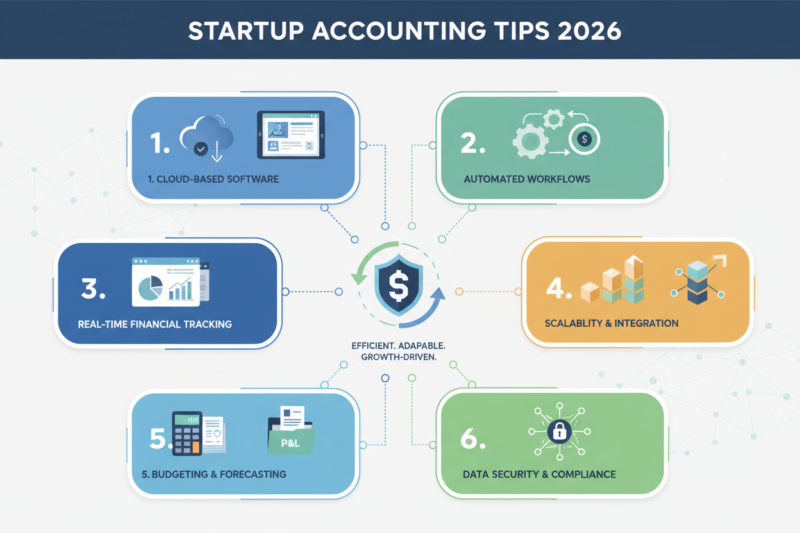
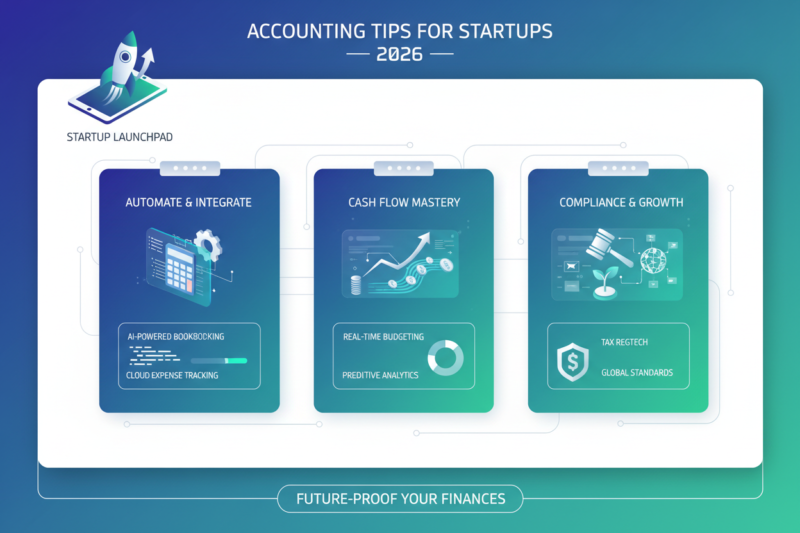
A typical incubator program provides several categories of support simultaneously. Mentorship remains one of the most valuable components, since experienced entrepreneurs can provide insight that helps founders refine their ideas and identify practical strategies for reaching customers. Educational sessions and workshops often accompany this mentorship, allowing founders to learn about intellectual property law, financial planning, market analysis, and business strategy. These structured learning opportunities help entrepreneurs build the knowledge base required to manage a growing company, and they highlight many of the incubator program benefits that attract founders to these environments. Mentors frequently stress the importance of financial organization during early growth because poor financial management can weaken even strong ideas. Many founders eventually learn the importance of structured bookkeeping and planning through resources such as Accounting Tips for Startups in 2026: Avoid Costly Mistakes Early.
Network Access and Partnership Opportunities
Access to networks represents another powerful advantage of incubator participation. Startup founders frequently struggle to connect with investors or corporate partners who can help them expand their operations. Incubators act as intermediaries that introduce startups to venture capital firms, angel investors, and industry executives. These connections often lead to partnerships, early customers, or investment opportunities that would otherwise take years to develop. When combined with mentorship and educational resources, these networks create an environment where startups can move more quickly from experimentation to commercial growth.
Case Study: Airbnb and Market Discovery

Airbnb provides one of the most widely discussed examples of how early support from an incubator environment can influence the development of a startup. The company began as a modest experiment created by two designers who struggled to pay rent in San Francisco. They decided to rent out air mattresses in their apartment to visitors attending a local conference, providing short-term accommodation and breakfast for a small fee. Although the idea attracted a few early customers, the founders initially struggled to transform this experiment into a scalable business model that could support a growing marketplace.
Participation in a startup accelerator program provided the founders with mentorship and strategic feedback that helped them understand the core challenge facing their business. Early users appreciated the concept of short-term home rentals, but concerns about trust and reliability created barriers that limited adoption. Mentors encouraged the founders to spend time directly with hosts and guests to understand their concerns and expectations. This direct engagement allowed the team to identify the features required to create trust between strangers participating in the platform.
One of the most important insights involved improving the quality of property listings and visual presentation. The founders began photographing host properties themselves and helping hosts create detailed listings that communicated reliability and comfort. These improvements significantly increased booking rates and helped establish credibility within the marketplace. The accelerator environment also introduced the founders to investors who provided early funding that allowed the company to expand its platform and marketing efforts. Over time, Airbnb evolved from a simple experiment into a global accommodation platform operating in thousands of cities around the world.
| Category | Details |
| Startup Launch Year | 2008 |
| Accelerator Program | Y Combinator |
| Program Entry Stage | Early product stage with limited user traction |
| Founding Team | Brian Chesky, Joe Gebbia, Nathan Blecharczyk |
| Initial Investment | Early seed funding from the accelerator program |
| Early Growth Indicator | Rapid increase in bookings after improved listing quality |
| Strategic Insight | Building trust between hosts and guests through verified listings |
| Post-Program Funding | Venture capital investment supporting international expansion |
| Current Market Position | Global accommodation platform operating in thousands of cities |
Case Study: Dropbox and the Importance of Product Clarity

Dropbox illustrates another dimension of incubator influence: the ability to guide product development decisions during the earliest stages of a company’s growth. The company began with a straightforward goal of simplifying file storage and synchronization across multiple devices. Before cloud storage services became widely available, users frequently relied on email attachments, external drives, or manual transfers between computers. These methods often created inconvenience and inefficiency, particularly for users who worked across several devices.
The founders developed a prototype that automatically synchronized files between computers through an online storage system. Although the technology functioned effectively, the founders faced difficulty explaining the product’s value to potential users and investors. Within the accelerator program they joined, mentors helped them recognize that the strength of their product lay in its simplicity and reliability rather than in an extensive list of features. This insight encouraged the founders to concentrate on delivering a seamless user experience rather than expanding the platform prematurely.
A major turning point occurred when the team produced a short demonstration video illustrating how the product worked. The video clearly showed how files could automatically appear on multiple devices without manual transfers. This demonstration attracted significant attention and generated a surge of early users interested in the technology. The increased user base provided valuable feedback that helped the founders refine their system and secure additional investment. Dropbox eventually grew into one of the most widely used cloud storage services in the world, and its early development highlights the importance of clarity in product positioning.
| Category | Details |
| Startup Launch Year | 2007 |
| Accelerator Program | Y Combinator |
| Program Entry Stage | Prototype stage with early testing |
| Founding Team | Drew Houston and Arash Ferdowsi |
| Initial Product Focus | Seamless file synchronization across devices |
| Early Growth Indicator | Surge of user signups after demonstration video |
| Strategic Insight | Focus on simplicity rather than feature expansion |
| Post-Program Funding | Venture capital investment for product scaling |
| Current Market Position | One of the most widely used cloud storage platforms |
Case Study: Stripe and Developer-Focused Strategy

Stripe represents a case study in how incubator environments can help startups identify and focus on a specific customer group. The company was founded by two brothers who recognized that online payment processing remained unnecessarily complicated for many developers. Traditional payment systems required extensive agreements with banks, complex integrations, and regulatory hurdles that made it difficult for small companies to accept online payments. The founders believed that a developer-friendly platform could simplify this process and encourage the growth of online businesses.
During the company’s participation in an accelerator program, mentors encouraged the founders to focus on developers as their primary audience rather than attempting to serve every segment of the financial services market. This strategic decision allowed Stripe to build a platform designed specifically for software developers, emphasizing simple integration and clear documentation. The founders concentrated on building application programming interfaces that allowed developers to implement payment functionality with minimal code.
The incubator also provided connections to investors and experienced technology founders who helped the company refine its pricing strategy and expand its network within the technology community. These relationships contributed to early adoption among startups and software developers who appreciated the simplicity of the platform. Stripe later expanded into a comprehensive financial infrastructure company serving businesses around the world. Its early development demonstrates how incubators can help founders identify a clear customer focus and build products that address specific needs within that market.
| Category | Details |
| Startup Launch Year | 2010 |
| Accelerator Program | Y Combinator |
| Program Entry Stage | Early product development stage |
| Founding Team | Patrick Collison and John Collison |
| Initial Product Focus | Simplified online payment processing APIs |
| Early Growth Indicator | Rapid adoption among startup developers |
| Strategic Insight | Prioritizing developers as the primary user base |
| Post-Program Funding | Venture investment supporting infrastructure growth |
| Current Market Position | Global financial technology platform for online payments |
Case Study: SendGrid and Infrastructure Innovation

SendGrid provides another example of how incubator programs can help startups transform technical solutions into scalable businesses. The company began with the goal of solving a technical challenge faced by many developers: sending large volumes of transactional emails from applications. Emails generated by applications such as account confirmations, password resets, and purchase receipts require reliable delivery infrastructure. Many companies struggled to maintain this infrastructure internally, leading to delays or delivery failures.
Within the accelerator program, mentors helped the founders refine their business model and understand how developers viewed email infrastructure as a specialized service rather than a core business function. This insight allowed SendGrid to position itself as a platform that handled email delivery for other companies, allowing them to focus on building their own products. The program also connected the founders with investors who recognized the growing demand for reliable communication infrastructure within digital services.
These early relationships helped SendGrid secure funding that supported the expansion of its technical infrastructure and customer base. Over time, the company became a widely used service for application-based email delivery and eventually entered public markets. The SendGrid case demonstrates how incubators help founders recognize the commercial potential of technical solutions and transform them into services that address broader industry needs.
| Category | Details |
| Startup Launch Year | 2009 |
| Accelerator Program | Techstars |
| Program Entry Stage | Early infrastructure prototype |
| Founding Team | Isaac Saldana, Jose Lopez, Tim Jenkins |
| Initial Product Focus | Cloud-based email delivery infrastructure |
| Early Growth Indicator | Adoption by application developers and SaaS platforms |
| Strategic Insight | Positioning email delivery as a specialized service platform |
| Post-Program Funding | Venture capital investment for infrastructure expansion |
| Current Market Position | Leading provider of application-based email services |
Key Lessons from Successful Incubator Case Studies
The examples discussed above reveal several consistent patterns that explain why incubator environments often produce successful startups. One important factor involves the speed at which founders receive feedback on their ideas and products. Instead of waiting months or years to learn whether their strategies work, founders in startup accelerator and incubator programs receive continuous input from mentors, peers, and early users. This feedback allows them to adjust their products and strategies quickly, reducing the risk of building solutions that fail to meet market demand. Many best startup incubator case studies show that early guidance shortens the path between experimentation and sustainable business growth.
Early Focus on a Narrow Customer Segment
Many successful incubator-backed startups begin by concentrating on a very specific group of users rather than attempting to reach a broad audience immediately. This approach allows founders to refine their products for a clearly defined problem before expanding into larger markets. When a startup understands the needs and behavior of its initial customers, it can develop solutions that deliver measurable value. Mentors from top incubator programs frequently encourage founders to narrow their target audience early so that product development decisions remain focused and practical rather than speculative.
Iterative Product Development Through Testing
Another lesson from these entrepreneur case studies involves the value of rapid experimentation. Instead of attempting to launch a fully polished product from the beginning, startups frequently develop prototypes and release early versions that gather feedback from real users. Each iteration reveals insights that help the founders improve functionality, usability, and reliability. Incubator environments often promote this process because one of the core incubator program benefits involves encouraging startups to test assumptions quickly and revise their products based on observable user behavior.
Clear Product Communication and Demonstration
Several successful startups gained momentum only after they learned how to clearly communicate the value of their product. Even strong technical ideas can struggle if potential users do not immediately understand their benefits. Demonstrations, tutorials, and simple explanations help bridge the gap between innovation and adoption. As startups grow and attract attention, many founders begin investing in scalable content platforms that help present their products clearly to users and investors. Platforms discussed in Best CMS for Startups in 2026 (Scalable and SEO-Friendly) often support this stage of communication and visibility.
Leveraging Peer Learning Within the Incubator
Startup incubators also create communities where founders learn from each other’s experiences. Entrepreneurs often face similar challenges related to hiring, marketing, product development, and fundraising. When startups share knowledge and discuss their successes and failures openly, the entire group benefits from collective learning. This collaborative environment appears frequently in startup mentorship case studies, where founders explain how conversations with other entrepreneurs helped them discover solutions more quickly than working independently.
Timing Expansion After Product Stability
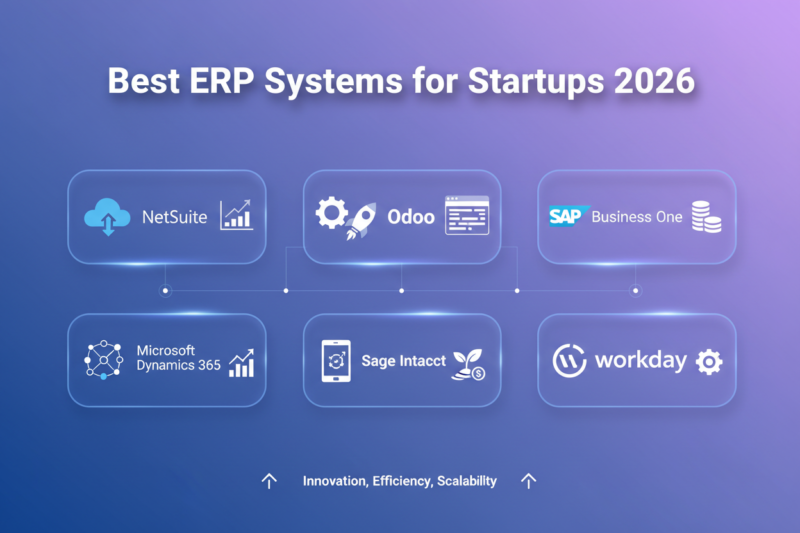
Another important lesson involves knowing when to expand operations. Startups that grow too quickly without stabilizing their products or infrastructure may struggle to maintain quality or customer satisfaction. Mentors within incubators often encourage founders to focus first on product reliability and operational efficiency before entering new markets. Once the core system functions consistently and customer demand becomes predictable, expansion becomes far easier to manage and sustain over the long term. As operations grow, startups often begin implementing structured business management systems to track finances, operations, and supply chains more efficiently. This is why many founders eventually explore the platforms discussed in Best ERP Systems For Startups In 2026 (Complete Founder Guide).
Conclusion
Startup incubators have become influential institutions within the global entrepreneurial ecosystem. These programs provide founders with mentorship, funding opportunities, education, and professional networks that help young companies survive their earliest stages. Instead of navigating the startup process alone, entrepreneurs participating in incubators benefit from collective knowledge and structured guidance that accelerates learning and improves decision-making.
The best startup incubator case studies demonstrate how early support environments influence startup trajectories. Companies such as Airbnb, Dropbox, Stripe, and SendGrid began with promising ideas but faced uncertainty about how to develop and scale their businesses. Through mentorship, investor introductions, and strategic guidance, these founders refined their ideas and built companies that now serve millions of users around the world.
Examining these examples highlights a broader lesson about entrepreneurship. Successful startups rarely emerge through isolated experimentation. They develop through communities of mentors, investors, and fellow founders who contribute knowledge and support during the most uncertain stages of development. Incubators provide the structure that allows this collaboration to occur, transforming early ideas into companies capable of shaping entire industries.











Post Comment